

Food Truck for Rent: A Cost-Effective Way to Start a Food Business
Standing inside a newly wrapped food truck looks exciting, but the reality behind it tends to be quieter and heavier. Equipment financing, health permits, storage, and downtime. For many first-time operators, the math feels tight before the first order is served. That pressure is why a food truck for rent, including newer Electric Food Trucks, has become a serious entry point rather than a fallback option.
California’s mobile food scene didn’t grow by accident. Dense cities, year-round events, and a customer base willing to try new concepts keep demand moving. Yet the cost of ownership remains stubbornly high. Renting changes that equation, not by cutting corners, but by shifting risk into more manageable terms.
The California Food Truck Landscape, Up Close
California isn’t one market. Los Angeles behaves differently from San Diego. San Francisco follows its own rhythm. Event calendars, permitting backlogs, and seasonal demand all vary.
What does remain consistent is volume. Festivals, private catering, film sets, corporate activations. These settings reward speed and flexibility more than permanence. Operators who can deploy quickly tend to win contracts.
It appears that many newer vendors underestimate how uneven demand can be. Three strong weekends do not guarantee a stable month. Renting allows operators to ride those waves without absorbing the full cost when demand dips.
What “Food Truck for Rent” Actually Covers
The phrase gets used loosely. In practice, a Food Truck for Rent can mean different things depending on duration and configuration.
Short-term rentals often serve events, disaster response, or temporary capacity needs. Long-term rentals function closer to a lease, sometimes running several months or longer. Equipment levels matter. Some trucks arrive ready for full service cooking. Others are prep-focused, requiring off-site finishing.
Cost ranges vary widely. In California, daily rates may start lower for basic units but climb quickly once generators, refrigeration, or waste handling are added. Kitchen Trailers often follow a similar pricing structure, though their larger footprint can shift the numbers. Monthly rentals usually offer better value, especially for operators testing a sustained route.
National averages often look cheaper on paper. They rarely include delivery, compliance modifications, or support. That difference tends to surface later, usually when timing matters most.
Why Renting Lowers the Barrier to Entry
Ownership demands commitment before proof. Renting asks for proof before commitment.
A Food Truck for Rent removes the highest upfront costs while preserving operational control. Equipment is already installed. Layout decisions are made. Maintenance is handled elsewhere.
Concept testing becomes practical. Menu pricing, prep flow, service speed. These are learned under real conditions, not projections. If the concept struggles, exit costs stay limited. If it works, expansion decisions are informed rather than hopeful.
Flexibility matters too. Serving Oakland one weekend and Palm Springs the next becomes feasible without relocating assets.
Who Renting Makes Sense For, Realistically
New entrepreneurs benefit most, though they are not alone. Established caterers often use rentals to handle overflow or pilot mobile service lines. Restaurants facing kitchen renovations use mobile units to keep revenue moving.
Event planners also rely on rentals when scale changes suddenly. A single truck may work for one activation, while a fleet becomes necessary for another. Ownership rarely adapts that quickly.
The common thread is uncertainty. When demand is not yet predictable, renting absorbs the volatility.
Getting a Food Truck for Rent in California Without Missteps
Choosing the right unit comes first. Size affects everything. Power load, staffing, and menu scope. Bigger is not always better.
Permitting comes next, and requirements vary by county. Some jurisdictions require a commissary agreement, while others focus more on fire-suppression details. Health departments inspect the operator rather than the truck owner, a detail that often surprises newcomers navigating Mobile Kitchens Health compliance for the first time.
Insurance is non-negotiable. Coverage must align with both vehicle and food service operations.
This process is manageable, though rarely fast. Providers with experience tend to anticipate friction points. That saves time, and usually money.
Operational Readiness Starts with California Mobile Kitchens
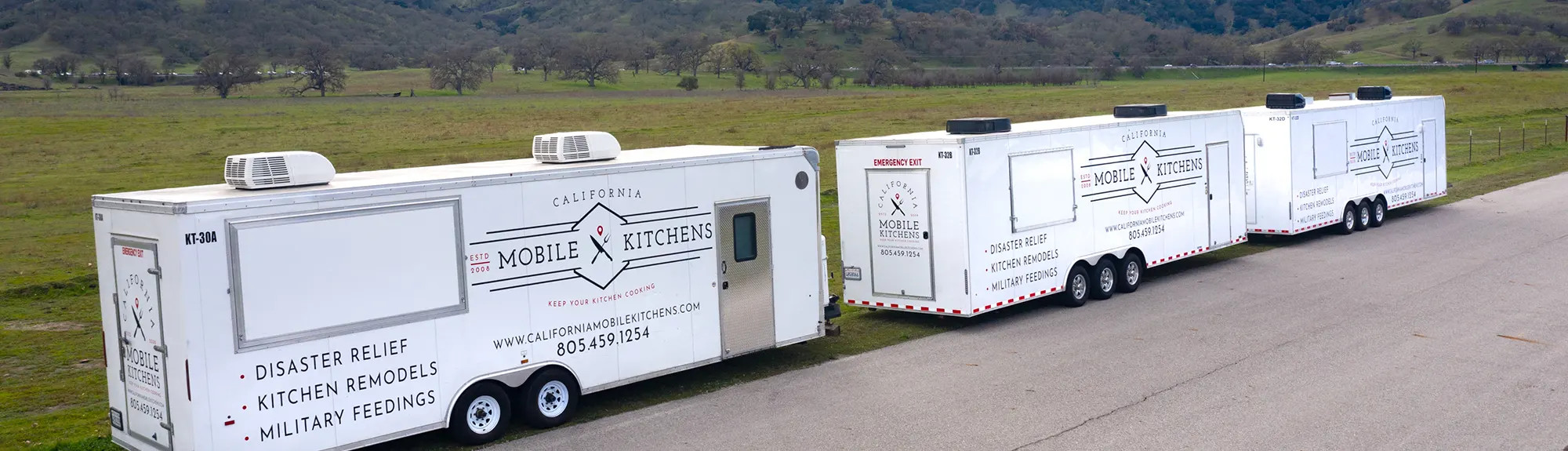
California Mobile Kitchens supports this rental-first approach through commercial-grade mobile kitchen units rather than consumer-level trucks. Their trailers are designed for volume, compliance, and flexibility.
What matters most is not branding, but operational readiness. Equipment holds up. Layouts support real production. Support remains available when issues arise, including after hours.
For operators who want clarity before commitment, speaking with California Mobile Kitchens early often helps shape realistic expectations. A quick availability check can prevent mismatched timelines later. That conversation usually saves more than it costs.
A quick call can align your production needs, rental timeline, and compliance requirements.
Long-Term Economics Worth Considering
Renting doesn’t remove all expenses. Utilities, staffing, ingredients, and permits are still required.
What renting does is concentrate expenses into predictable categories. Cash flow stays visible. Maintenance surprises fade.
Some operators eventually purchase. Others continue renting indefinitely, especially when business remains seasonal. Neither path is wrong. The advantage lies in choosing deliberately rather than being forced by sunk costs.
If you are evaluating a Food Truck for Rent, review your break-even window honestly. Short-term optimism has a way of hiding long-term fatigue.
FAQs Food Truck for Rent in California
Is a food truck for rent cheaper than buying?
Often, yes. Especially during the early stages when revenue is still uncertain.
How long can I rent a food truck?
Rental terms range from single events to multi-month deployments.
Do rental trucks meet health codes?
The equipment does, but operators must secure local permits.
Can I customize a rented truck?
Within limits. Menu and equipment adjustments are common.
Is renting suitable for long-term operations?
It can be, particularly for seasonal or variable-demand businesses.
Closing Thoughts
A mobile food business rewards adaptability more than ambition. Renting aligns with that reality. It keeps options open while lessons accumulate.
For many, the smartest move is not owning first, but learning first. And in this business, learning never really ends.