
Are Mobile Kitchens Health-Code Approved in California?
A county health inspector steps inside a temporary food operation. Stainless steel reflects overhead lighting. Hand sinks, ventilation, and food storage are all scrutinized. Approval does not depend on how innovative or convenient a mobile kitchen is; it depends entirely on meeting health and safety standards. That reality frames the real question behind mobile kitchens in California. Not whether they can be approved, but under what conditions approval actually happens.
The short answer is yes, a mobile kitchen can be health code-approved in California. The longer answer takes some unpacking. Regulations vary by county, expectations differ by use case, and assumptions often create problems before the first meal is served.
Understanding how approval works requires stepping into the regulatory mindset rather than fighting it.
How California Defines a Mobile Kitchen
California health departments do not treat every rolling or temporary kitchen the same way. Definitions matter. A mobile kitchen typically refers to a fully enclosed, self contained commercial cooking environment designed to meet the same sanitation and safety standards as a permanent facility.
That distinction is critical.
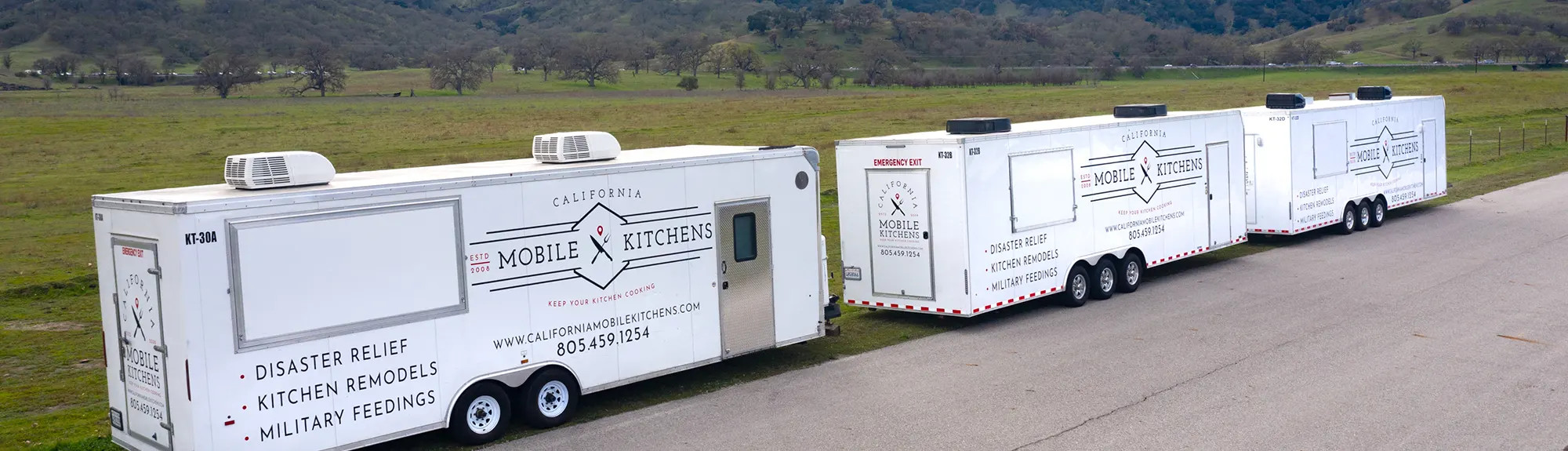
A mobile kitchen trailer used for emergency feeding, renovation support, or large scale catering is evaluated differently than a food truck or pop up booth. The California Retail Food Code does not prohibit mobility. It regulates food safety, regardless of where cooking happens.
Approval is determined more by proper systems and compliance than by mobility.
Health Code Approval Is Local, Not Statewide
California sets the baseline through the Retail Food Code. Enforcement lives at the county level. Los Angeles County, San Diego County, and Monterey County may interpret certain requirements slightly differently. Inspectors apply local policies layered on top of state code.
That can create confusion for operators unfamiliar with temporary kitchen deployments.
One county may require plan review submissions before delivery. Another may approve on-site once equipment is installed and utilities are verified. Neither approach is wrong. Both are legal.
This is where experienced mobile kitchen providers quietly save clients time and frustration. Knowing how counties think matters as much as knowing what the code says.
If your project spans multiple counties, that complexity multiplies quickly.
What Inspectors Actually Look For
Inspectors focus on tangible elements, and approval depends on meeting these standards in a predictable order.
Food Safety Systems
Handwashing sinks must be accessible, plumbed correctly, and stocked. Warewashing setups need proper compartments and drainage. Refrigeration trailers must hold temperature consistently, and dry storage cannot sit wherever space allows.
These requirements mirror permanent kitchens. Mobility does not lower the bar.
Utilities and Infrastructure
A mobile kitchen must have a reliable water supply, proper wastewater disposal, ventilation, and power all non-negotiable for approval. A mobile kitchen trailer must demonstrate that it can operate independently or integrate safely with site utilities.
Improvised connections raise red flags. Inspectors notice.
Workflow and Separation
Inspectors carefully evaluate kitchen layouts to minimize cross-contamination risks, especially in tight spaces. Raw and ready-to-eat foods must remain separated. Traffic flow matters more than most operators expect.
A well designed mobile kitchen anticipates these concerns rather than reacting to them.
Temporary Does Not Mean Informal
The term temporary kitchen misleads many operators. Temporary means short-term use, not lower standards. Health codes remain strict regardless of duration.
If anything, inspectors may be more cautious.
Temporary installations often appear during construction, disaster response, or large events, where high volume, compressed timelines, and unfamiliar staff increase risk. Approval reflects that reality.
That is why documentation matters. Equipment specs, NSF certifications, and layout drawings are often requested before inspectors arrive.
Skipping this step can slow down the approval process.
Common Approval Pitfalls That Delay Projects
Problems rarely come from exotic code violations. They come from assumptions.
Some operators assume a rented kitchen is automatically approved, but approval applies to the entire operation, not just the equipment.
Others underestimate site conditions. Uneven ground, poor drainage, or limited access can jeopardize approval even if the mobile kitchen itself meets code.
There is also a tendency to treat inspectors as obstacles rather than partners. That attitude shows. Inspectors respond better to preparation than persuasion.
When issues arise, they are usually solvable. But each delay costs money and credibility.
Where Mobile Kitchens Make Regulatory Sense
Renovations and Facility Closures
Restaurants undergoing remodels often need continuity. A mobile kitchen rental allows operations to continue while permanent infrastructure is offline. Inspectors generally understand this use case and focus on safety continuity.
Emergency and Disaster Response
Wildfires, earthquakes, and power outages have reshaped how California thinks about food access. Mobile kitchens are increasingly viewed as infrastructure. Approval pathways exist because necessity demands it.
Large Scale Events and Institutional Feeding
Concerts, military operations, and remote work sites require controlled food production. A properly designed mobile kitchen provides inspectors with a familiar framework. That familiarity helps.
If you are planning such an operation, talk to a specialist early. That conversation often determines whether approval takes days or weeks.
Choosing a Provider Who Understands Compliance
Not all rental kitchens are designed with California’s strict health codes in mind. Some may meet standards in other states but fail to comply here due to California’s rigorous requirements.
California Mobile Kitchens has operated in this environment for decades. That experience shows up in design decisions most people never see. Drain placement, hood capacity, and equipment spacing, all quietly aligned with what inspectors expect.
While this does not guarantee approval, working with an experienced provider significantly reduces the risk of unexpected issues.
If your project involves inspections, permits, and deadlines, consider working with a provider that treats compliance as foundational rather than optional. A quick consultation early can prevent expensive corrections later.
Schedule a quick consultation with California Mobile Kitchens to stay compliant and avoid costly surprises.
Approval is a Process, Not a Checkbox
Health code approval is not a one time event. Inspectors may revisit. Conditions may change. Menus evolve. Staffing shifts.
A mobile kitchen approved for reheating may not automatically qualify for full scratch cooking. Adding equipment can trigger new reviews. Even relocating within the same county may require notification.
Operators who view approval as an ongoing relationship tend to fare better.
That mindset also influences how teams behave inside the kitchen. Cleanliness, documentation, and training matter more when the space is compact and visible.
Frequently Asked Questions
Are mobile kitchens legal in California?
Yes. Mobile kitchens are legal when they comply with the California Retail Food Code and local county requirements.
Do mobile kitchens need permits?
Most do. Permits are typically issued by county environmental health departments and depend on how the kitchen is used.
Is a mobile kitchen trailer treated like a food truck?
No. A mobile kitchen trailer is usually evaluated as a temporary commercial kitchen, not a mobile food facility.
Can a temporary kitchen pass the same inspections as a permanent one?
Yes. Temporary status does not reduce health or safety standards.
Does renting a mobile kitchen guarantee approval?
No. Approval depends on the full operation, including menu, site conditions, utilities, and staffing.
The Practical Bottom Line
So, are mobile kitchens health code-approved in California? They can be. Often they are. But approval depends on preparation, design, and how seriously the operation treats food safety obligations.
A mobile kitchen trailer is not a workaround. It is a professional solution subject to professional scrutiny.
If you are considering a mobile kitchen rental for an upcoming project, start planning earlier than you think you need to. Talk to your county. Review your menu. Choose equipment that aligns with how inspectors actually work.
When done well, mobile kitchens function seamlessly. When rushed, they stall.
If your operation depends on staying open or feeding people safely under pressure, speak with a mobile kitchen specialist who understands California’s regulatory terrain.