

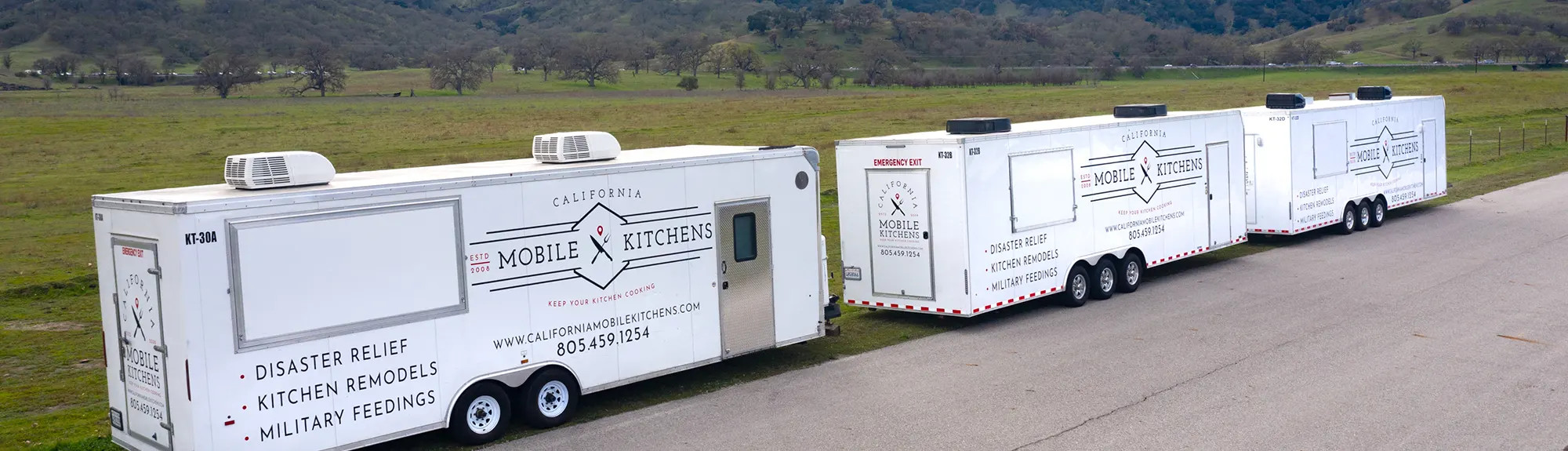
Food Trailer for Rent vs. Buying a Food Truck: Which Is Better in California?
Walk through any California event lot, film set, or festival back area, and the pattern is obvious. You won’t just see food trucks, you’ll see trailers. Large and compact. Some quietly parked behind sound stages, others fed hundreds during a weekend rush. The decision between a food trailer for rent and buying a food truck is no longer theoretical. It shapes budgets, timelines, and sometimes whether a project moves forward at all.
California’s mobile food economy looks attractive from the outside, but under the surface it’s layered with permitting realities, location constraints, and cost structures that don’t always reward ownership. Renting can look temporary. Buying can look permanent. Neither label tells the full story.
Let’s break down how the two paths actually perform in California, in day-to-day use.
Understanding the Two Models Before Comparing Them
What Renting Really Means in Practice
A food trailer for rent is not a stripped-down alternative. Most commercial units arrive fully built out, inspected, and ready to function as a temporary kitchen that meets Mobile Kitchens Health and health department expectations. Power, water, ventilation, and grease management are already solved.
The difference is responsibility. The unit is yours to operate, not yours to maintain long-term.
That distinction matters more in California than many expect.
Ownership Looks Straightforward Until It Isn’t
Buying a food truck feels decisive, an asset on the books, full branding control, and no monthly rental invoice. But ownership brings permanent obligations that don’t pause when work slows. Repairs, inspections, insurance renewals, and storage all continue, even during downtime.
In a state where regulations shift city by city, that permanence can become friction.
Cost Reality in California, Not Just Sticker Price
Upfront Investment vs Controlled Entry
Buying a food truck in California often pushes well beyond initial estimates. Vehicle cost is only the starting line. Custom buildouts, emissions compliance, fire suppression, and county-specific modifications add up fast.
By contrast, renting a food trailer limits capital exposure. You pay for time and use, not depreciation.
For many operators, especially those testing a market or covering a temporary gap, that control is the difference between moving forward and waiting another year.
Ongoing Costs That Don’t Always Show on Spreadsheets
Ownership costs creep. Repairs during peak season. Unexpected code updates. Storage when the truck is idle. Some expenses appear gradually, others arrive all at once.
Rental pricing is rarely flat, but it is predictable. Especially when the trailer is purpose-built for high-volume use, not daily street vending.
At this point, it’s worth evaluating real numbers. A side-by-side cost comparison often shows that renting stays competitive far longer than most assume, especially for seasonal or project-based operations. If you’re considering a food trailer for rent, running those numbers early can save months of backtracking later.
Permits, Health Departments, and Local Friction
California Is Not One Market
Los Angeles does not behave like San Diego. San Francisco doesn’t follow Fresno’s rhythm. Each county interprets health codes differently, especially around mobile units.
A food truck tied to a single VIN can face limitations moving across jurisdictions. A temporary kitchen trailer often operates under event or temporary permits, which may reduce friction for short-term deployments.
It’s not guaranteed, but it’s often easier
Commissary and Waste Requirements
Many food trucks must maintain commissary agreements year-round. Trailers used as temporary kitchens may fall under different rules depending on duration and use case.
Wastewater management, grease traps, and gray water capacity also vary by location. Trailer configurations usually anticipate these needs. Ownership means retrofitting when rules change.
That distinction matters when timelines are tight.
Mobility and Operational Flexibility
Daily Vending vs Purpose Built Deployment
Food trucks shine in daily street vending. Move, sell, repeat. Trailers operate differently. They’re set, leveled, connected, and run at volume.
For events, institutional feeding, or renovation support, trailers often outperform trucks. Space, equipment layout, and staff flow all matter, and trailers offer more of each.
A mobile kitchen trailer creates room to work. That affects output.
Weather, Terrain, and Logistics
California weather is forgiving until it isn’t. Heat waves, coastal moisture, and uneven ground at temporary sites. Trailers are designed to sit stably. Trucks are designed to move.
For long stationary operations, renting the right unit can reduce downtime caused by environmental variables.
Growth, Scaling, and Exit Strategy
Testing Without Commitment
Renting makes experimentation possible: new menus, new markets, new service models. If the model fails, you return the unit. If it works, you’ve learned without sinking capital.
Buying commits you early, sometimes too early.
Many successful operators started with a food trailer for rent, refined operations, and then invested later with clarity.
Scaling Up or Out
Scaling with ownership often means buying another truck. Scaling with rentals means adjusting size or quantity based on demand.
Neither is universally better. But rental flexibility aligns well with fluctuating workloads, especially in entertainment, emergency response, and institutional sectors.
Support Equipment Changes the Equation
Refrigeration and Cold Storage
A freezer trailer rental often becomes the quiet backbone of large operations. Food trucks struggle with bulk cold storage. Trailers don’t.
Pairing a kitchen unit with dedicated refrigeration, including Refrigeration Trailers, reduces stress on equipment and staff. That’s harder to achieve inside a single vehicle.
Backup Power and Accessibility
Generators, ADA ramps, waste tanks. These aren’t afterthoughts. They’re requirements.
Rental providers typically integrate these systems upfront. Ownership means sourcing, installing, and maintaining them individually.
When Renting Makes More Sense Than Buying
If your operation is temporary, seasonal, project-based, or location-specific, renting usually wins film sets, disaster relief, kitchen remodels, and large events.
If your priority is controlled cost, rapid deployment, and regulatory adaptability, a food trailer for rent aligns well with California’s fragmented landscape.
This is often where a temporary kitchen solution outperforms a permanent vehicle, even when budgets appear similar on paper.
When Buying Still Has a Place
Ownership makes sense for daily vending brands with fixed routes and long-term plans in one jurisdiction. Branding matters. Mobility matters.
Even then, some owners supplement with rentals during peak demand. Hybrid models are becoming common.
The question isn’t rent or buy forever. It’s which serves the next phase without creating drag.
Experience That Shows Up Before You Even Open the Doors
Experienced rental providers don’t just drop a trailer and leave. They plan layout, confirm utility access, and anticipate compliance challenges. California Mobile Kitchens operates with decades of field experience, which shows in how units are configured and supported rather than how they’re marketed.
That depth matters when timelines tighten or inspectors ask questions no one planned for.
If you’re weighing a food trailer for rent, speaking with a provider early can clarify constraints you haven’t seen yet. That conversation often reshapes the decision.
Talk to our experts today and turn potential roadblocks into smooth service.
Frequently Asked Questions
Is a food trailer for rent allowed everywhere in California?
It depends on the city and permit type. Temporary approvals are common but not universal.
Can a mobile kitchen trailer replace a permanent restaurant kitchen?
In short-term or transitional situations, yes. Long-term replacement depends on zoning.
How long can I keep a rented unit on site?
Rental durations range from days to months, sometimes longer with proper permits.
Do freezer trailer rentals require separate permits?
Often yes, especially when used for food storage tied to public service.
Is renting more expensive over time than buying?
Over long periods, ownership can cost less. Over short or uncertain timelines, renting often reduces risk.
Final Thoughts
California rewards flexibility. It punishes rigid assumptions. Renting doesn’t mean settling. Buying doesn’t mean control. Each path carries tradeoffs that only show up once operations begin.
The better question might not be which is cheaper or which looks more official. It’s what keeps you operational when conditions change.
And conditions always change.