
Why Choosing a Food Truck for Rent Is Better Than Buying One
Step into nearly any early food business conversation, and a familiar tension emerges: excitement about the concept, confidence in the menu, and then hesitation over the truck itself, whether to buy and commit now or keep things flexible by renting.
That decision shapes more than cash flow. It affects how fast you can move, how safely you can experiment, and how exposed you are when plans change. For many operators, especially in the first phase, a food truck for rent isn’t a compromise. It’s a deliberate strategy.
It’s not cheaper for the sake of being cheaper. It’s more controlled, more forgiving, and more adaptable to how food businesses actually behave once they leave the spreadsheet.
The Financial Reality Most First-Time Buyers Underestimate
Upfront costs are only the beginning.
Buying a food truck often begins with a number that feels manageable. But once fabrication changes, equipment upgrades, and permitting adjustments come into play, that initial figure can quickly grow.
A food truck for rent avoids that front loaded exposure. You’re paying for access, not ownership, which keeps capital available for ingredients, staff, marketing, and the quiet emergencies that show up unannounced.
Ownership also brings depreciation, insurance complexity, and long term maintenance. Engines fail. Refrigeration units age. Plumbing clogs at the worst time. Those costs don’t disappear, but with rentals, especially through mobile kitchen rentals across California, they’re usually someone else’s problem.
Short-term returns behave differently from long-term value
Buying only makes sense when utilization is high and predictable. Many new operators aren’t there yet. They’re still refining menus, learning foot traffic patterns, and negotiating permits city by city.
Renting aligns better with that uncertainty. Revenue supports the cost directly. When demand dips, you’re not servicing a parked asset.
That flexibility alone can determine whether a concept survives its first year.
Flexibility Isn’t a Buzzword. It’s Operational Insurance.
Testing markets without committing to one
Food concepts evolve. Sometimes quietly, sometimes dramatically. A food truck for rent lets you test locations, event types, and even service models without dragging a permanent structure behind every decision.
A weekday lunch crowd behaves nothing like a weekend festival. Corporate catering isn’t street vending. Rentals allow those differences to be explored, not guessed.
Menus shift, too. Equipment needs change with them. Renting gives you room to adjust layouts or trailer sizes when the food tells you something isn’t working.
Pivoting without penalties
Buying locks you into a configuration. Renting gives you exits. That matters when permits fall through, events cancel, or a promising location turns cold.
Being able to pause, relocate, or reconfigure without selling a depreciating asset keeps pressure off the business and the operator.
That breathing room has value, even if it doesn’t show up neatly on a balance sheet.
Operational Simplicity Is Often Overlooked
Maintenance isn’t just mechanical.
Running a food service already requires constant attention to food safety, staffing, sourcing, and managing customer flow. Adding vehicle maintenance, compliance inspections, and equipment servicing on top of that can quickly stretch focus too thin.
A food truck for rent usually includes maintenance support. If a piece of equipment fails, you’re not hunting technicians mid-service. If plumbing needs adjustment, it’s handled within the rental scope.
That support doesn’t eliminate responsibility, but it reduces distraction. Operators can spend time improving output instead of troubleshooting infrastructure.
Downtime behaves differently
When owned trucks go down, revenue stops. When rented units have issues, replacements or fixes are often faster because the provider’s business depends on uptime.
That difference is subtle until downtime directly affects revenue.
Branding and Customization Aren’t As Limited As People Assume
The myth of the unbrandable rental
There’s a persistent idea that renting means looking generic. That’s outdated.
Most rental setups allow temporary wraps, magnetic signage, menu boards, and branded service windows. Visual identity travels with the concept, not the chassis.
For many businesses, early branding benefits from being adjustable anyway. Logos evolve, menus get refined, and visual identity matures over time. Renting avoids locking branding decisions too early.
Consistency still matters
Customers remember taste and experience before truck ownership. As long as the presentation is clear and professional, renting rarely undermines brand credibility.
In some cases, it protects brand credibility.
Permitting and Compliance Often Feel Lighter When Renting
Fewer unknowns upfront
Health departments care about layout, equipment, and sanitation. Rental units are usually built to commercial standards and used repeatedly across jurisdictions.
While permits are still the operator’s responsibility, working from an established platform removes many structural surprises. Inspections tend to focus on process rather than design flaws.
Embedded compliance support
Some rental providers help anticipate local requirements, especially for events or institutional setups. That guidance reduces delays and rework.
When time matters, that support can be the difference between operating and waiting.
Two Operators. Two Outcomes.
The renter who scaled deliberately
One operator rented for the first year. Tested events. Adjusted pricing. Learned where margins actually lived. After twelve months, demand justified ownership. The eventual purchase matched real usage, not assumptions.
Growth followed stability.
The buyer who struggled early
Another committed immediately. Bought a custom truck. Faced downtime, unexpected repairs, and slow permitting. Cash tightened. Flexibility disappeared. The concept wasn’t wrong, but the timing was.
Ownership amplified risk before the business was ready.
Neither path guarantees success. But renting tends to fail softer.
When Buying Does Start to Make Sense
Ownership has its place.
There’s a point where a food truck for rent no longer aligns with scale. High utilization. Stable locations. Proven demand. Consistent staffing.
At that stage, ownership can improve margins and control. But that point arrives later than most expect.
Signs you’re approaching readiness
Predictable monthly revenue. Minimal menu changes. Clear understanding of maintenance costs. Confidence in long-term location access.
Until then, renting remains a rational choice.
Where Rental Strategy Meets Long-Term Planning
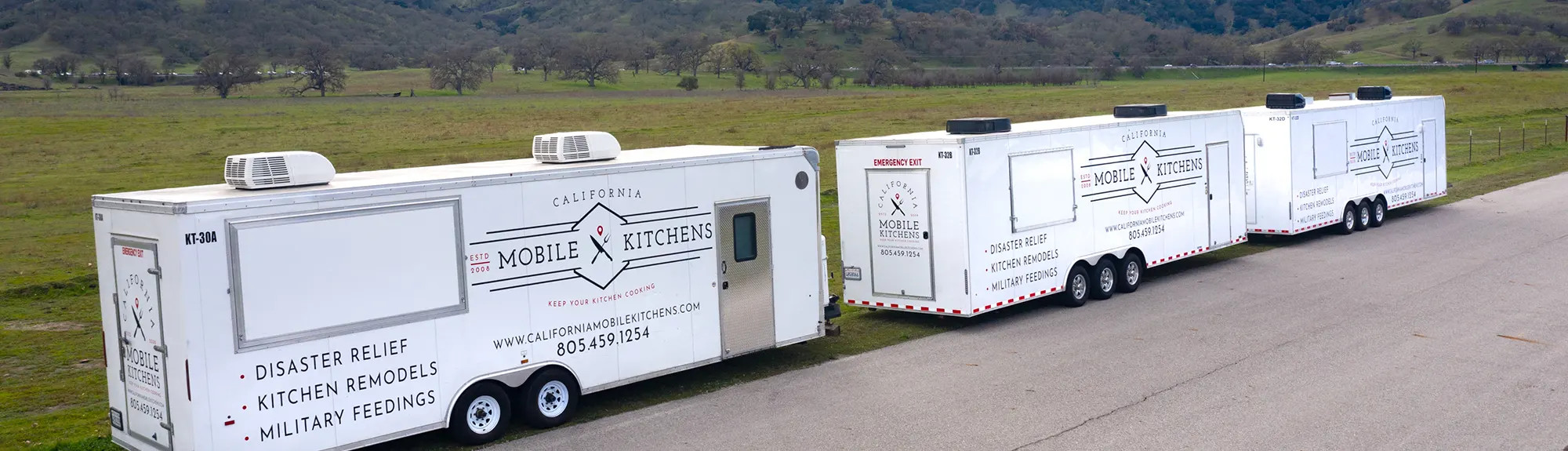
Some operators use rentals not as a detour, but as part of a broader plan. Providers like California Mobile Kitchens support that approach by offering mobile kitchen rentals that scale from short-term events to long-term deployments, with equipment flexibility that mirrors how food businesses actually grow.
If you’re mapping a phased entry into mobile food service, it’s worth exploring options that don’t force ownership decisions prematurely. Talk through use cases. Ask uncomfortable questions. Pressure-test assumptions.
That conversation often clarifies more than a purchase agreement ever will.
Start a conversation with California Mobile Kitchens today to explore rental solutions that scale with your business—before committing to ownership.
A Strategic Recommendation
Choosing a food truck for rent isn’t about avoiding commitment. It’s about sequencing it correctly.
For most early-stage operators, renting keeps risk proportional to knowledge. It allows learning without locking in. Movement without penalty. Adjustment without loss.
Buying still has its place. Just not always first.
And that may be the most important point to consider before making the call.
FAQs
Is a food truck for rent suitable for long-term operations?
Yes, many rentals support long-term use, especially for consistent events, renovations, or institutional feeding.
Can I customize a rented food truck?
Most rentals allow temporary branding, signage, and menu displays without permanent modification.
Does renting reduce maintenance responsibility?
Typically, yes. Major maintenance and equipment issues are usually handled by the provider.
Are permits easier with a rented unit?
They can be. Rental units are often built to commercial standards, reducing design-related issues during inspections.
When should I switch from renting to buying?
When revenue is predictable, demand is stable, and operational needs no longer change frequently.