

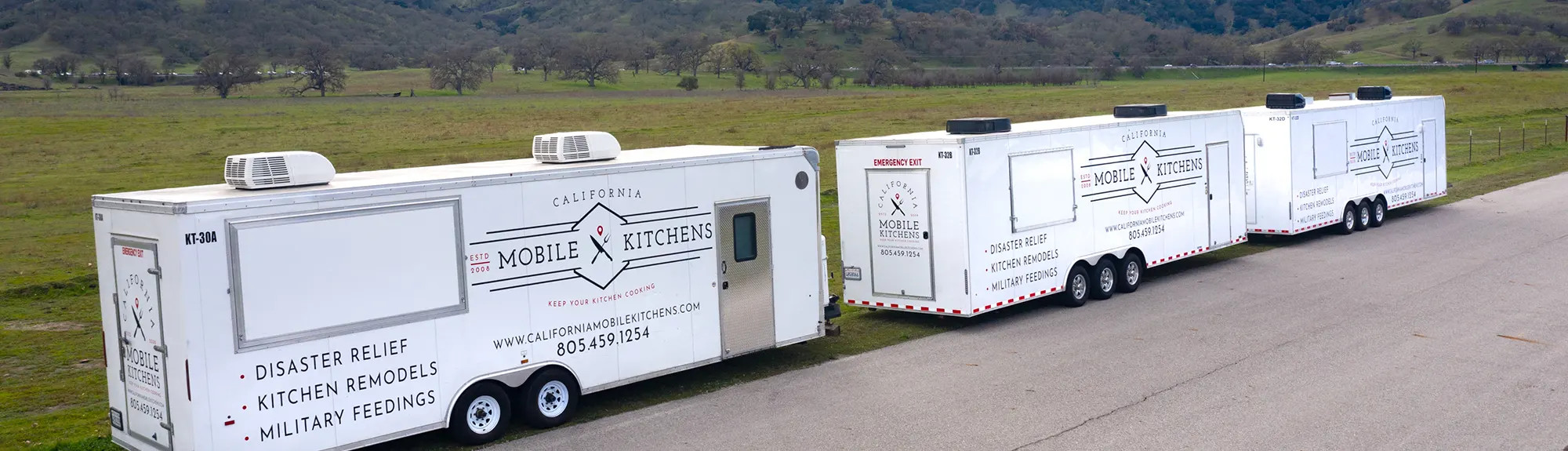
Guide to Using Mobile Kitchen Trailers for Events Across California
At some point, every serious event planner in California runs into the same constraint. The guest list grows, menus become more ambitious, health departments tighten oversight, and suddenly the existing kitchen plan feels fragile. That’s usually where the conversation turns toward a mobile kitchen trailer, not as a novelty, but as infrastructure.
The appeal isn’t hard to understand. Events across California now happen in vineyards, deserts, parking lots, campuses, temporary venues, and post-disaster sites. Permanent kitchens rarely follow. A mobile kitchen trailer fills that gap with something closer to a real back-of-house operation than most people expect.
What follows is a grounded look at how these units are actually used across the state, what planners underestimate, and where things tend to go wrong.
Why Mobile Kitchen Trailers Have Become Standard Event Infrastructure
Events have evolved: menus are more complex, compliance is stricter, and expectations are higher.
A mobile kitchen trailer allows food service to operate independently of venue limitations. That matters for festivals serving hundreds, film crews feeding rotating shifts, or institutions running temporary operations during renovations. It also matters during emergencies, where speed and reliability outweigh aesthetics.
Some planners still default to tents and portable prep tables. That can work for limited service. Once volume increases, however, inspectors usually expect a controlled environment with commercial ventilation, proper waste handling, and refrigeration that maintains a constant temperature all day.
A food trailer for rent may look similar from the outside, but inside, the difference between a converted service unit and a true commercial kitchen is obvious to anyone who has worked a line during peak hours.
Choosing the Right Size and Configuration
Matching Capacity to Reality, Not Estimates
Trailer size isn’t just about square footage. It’s about movement, workflow, and fatigue.
Smaller mobile kitchen trailer units often support up to a few hundred meals per service. They’re practical for weddings, corporate events, or short-term activations. Larger trailers accommodate full crews, multiple cooking stations, and sustained output over long days.
What planners often underestimate is storage. Refrigeration, freezer access, dry goods, and dish handling all take space. This is where a freezer trailer rental or separate refrigeration unit becomes less optional and more necessary.
Layout Matters More Than Equipment Lists
Two trailers with identical appliances can function very differently. Placement of sinks, prep surfaces, and pass-through areas changes how quickly food moves and how safely staff operate. It’s worth reviewing layouts in advance, especially for events running multiple services per day.
Permits and Health Compliance Across California
California is not one jurisdiction. Counties and cities interpret rules differently.
A temporary kitchen setup usually requires coordination with the local health department, fire marshal, and occasionally building or zoning authorities. Requirements may include:
- Approved waste and grease handling
- Fire suppression and hood clearance
- ADA-compliant access routes
- Proof of potable water and wastewater disposal
Some counties move quickly. Others do not. Timelines should assume delays.
While the operator secures permits, experienced mobile kitchen providers can flag issues early. That guidance alone often prevents last-minute cancellations.
Event Timelines That Actually Work
Planning Backward From Inspection Day
Inspections typically happen shortly before service begins. If utilities, ramps, or waste tanks are not in place by then, approvals stall.
Six to twelve weeks is a reasonable window for larger events. Smaller deployments move faster, but assuming speed is risky.
Delivery and setup of a mobile kitchen trailer may take hours or days, depending on terrain, hookups, and add-ons. Flat, compact ground matters more than most site maps suggest.
Budgeting Beyond the Trailer Itself
Rental cost is only one line item. Power, water access, staffing, transport distance, and teardown all affect total spend.
A kitchen for rent becomes economical when compared to building temporary structures, leasing off-site kitchens, or compromising menus. That said, planners should budget conservatively.
Backup generators, refrigeration redundancy, and overnight security rarely feel necessary until something fails. Then they feel essential.
Real-World Use Cases Across California
Large Outdoor Festivals
Multiple mobile kitchen trailer units operating in parallel allow different vendors to prep independently while meeting unified health standards.
Film and Television Production
Consistency matters. Crews eat at odd hours. A controlled kitchen environment reduces downtime and keeps service predictable.
Institutional or Emergency Feeding
Speed, durability, and compliance override aesthetics. These deployments often rely on freezer trailer rental units to manage supply surges.
Each scenario benefits from flexibility. That’s where mobile kitchens tend to outperform improvised solutions.
Where Mobile Kitchens Fall Short
They are not invisible. They require space, access roads, and planning.
Noise from generators can be an issue. Waste management must be actively monitored. Staff unfamiliar with tight quarters may need adjustment time.
Acknowledging these limits early leads to better outcomes.
Decades of Experience, Seamless Deployments
Providers like California Mobile Kitchens operate with decades of field experience. That shows up not just in equipment quality, but in how deployments are planned, delivered, and supported.
If you’re evaluating options, it’s worth reviewing available configurations early and confirming availability well before contracts lock.
Check availability now and plan with confidence before decisions are final.
Frequently Asked Questions
How many meals can a mobile kitchen trailer support?
Capacity depends on size, layout, menu complexity, and staffing. Estimates range from a few hundred to over a thousand per service period.
Do mobile kitchens include staff?
Typically no. They provide infrastructure. Staffing is arranged separately.
Is a food trailer for rent the same as a mobile kitchen trailer?
Not always. Many food trailers lack the full commercial systems required for large-scale or inspected operations.
Can a temporary kitchen operate without city utilities?
Yes, with generators, water tanks, and waste systems, though setup becomes more complex.
How far in advance should permits be submitted?
As early as possible. Four to six weeks is common, but longer is safer.
Events evolve. Regulations shift. Venues change. What tends to remain constant is the need for reliable food service under imperfect conditions.
A mobile kitchen trailer doesn’t solve every problem. It does, however, give planners control where control is usually limited. And in California, that often makes the difference between a smooth service and a compromised one.