

Why a Kitchen for Rent Is Ideal for Small Food Businesses
Margins in food service leave little room for error. Equipment breaks, permits stall, and utility costs rise unexpectedly. For small operators, assuming facility ownership equals stability often proves costly.
A Kitchen for Rent changes that by turning fixed ownership costs into flexible operating expenses. Instead of tying up capital in construction and long leases, food entrepreneurs are choosing access over ownership. This isn’t a shortcut; it’s a strategic decision for cash flow, regulatory clarity, and operational flexibility. For many, a Kitchen for Rent becomes a deliberate, long-term operating model.
The Real Cost of Building a Commercial Kitchen
Construction and Equipment Expenses Add Up Fast
Outfitting even a modest commercial kitchen can cross six figures before the first meal is sold. Ventilation systems alone may run tens of thousands of dollars. Fire suppression, plumbing upgrades, walk in refrigeration, grease interceptors, stainless prep tables. Each item is necessary. None of them is inexpensive.
Permits and inspections add extra costs: local fire marshal approvals, health department reviews, and zoning clearances. These steps are unavoidable, and delays are common.
When ownership is framed as an asset, these numbers tend to be softened. Yet depreciation begins immediately.
Amortization Is Not Always a Win
If a $250,000 build-out is financed over several years, monthly payments may appear manageable on paper. But revenue volatility in early-stage food businesses complicates repayment schedules. Catering demand fluctuates, event seasons shift, and weather disruptions can affect projected income.
By contrast, a Kitchen for Rent converts those fixed costs into variable expenses. You pay for usage, not permanence. That difference can determine whether a business remains solvent in year two.
Flexibility Is More Than Convenience
Scaling Without Long-Term Risk
Food concepts evolve, menus change, and demand rises or falls. A Kitchen for Rent allows operators to expand production during peak periods and scale back when necessary.
Short-term agreements support pop-ups and pilot concepts, while longer leases suit catering operations or institutional contracts. The structure adjusts to changing needs.
Shared commercial kitchens and commissary models provide access to high-capacity ovens, mixers, specialized refrigeration equipment, and even Refrigeration Trailers that might otherwise be cost-prohibitive. Instead of investing in tools that sit idle, businesses gain flexible, controlled access.
Mobility Opens New Revenue Streams
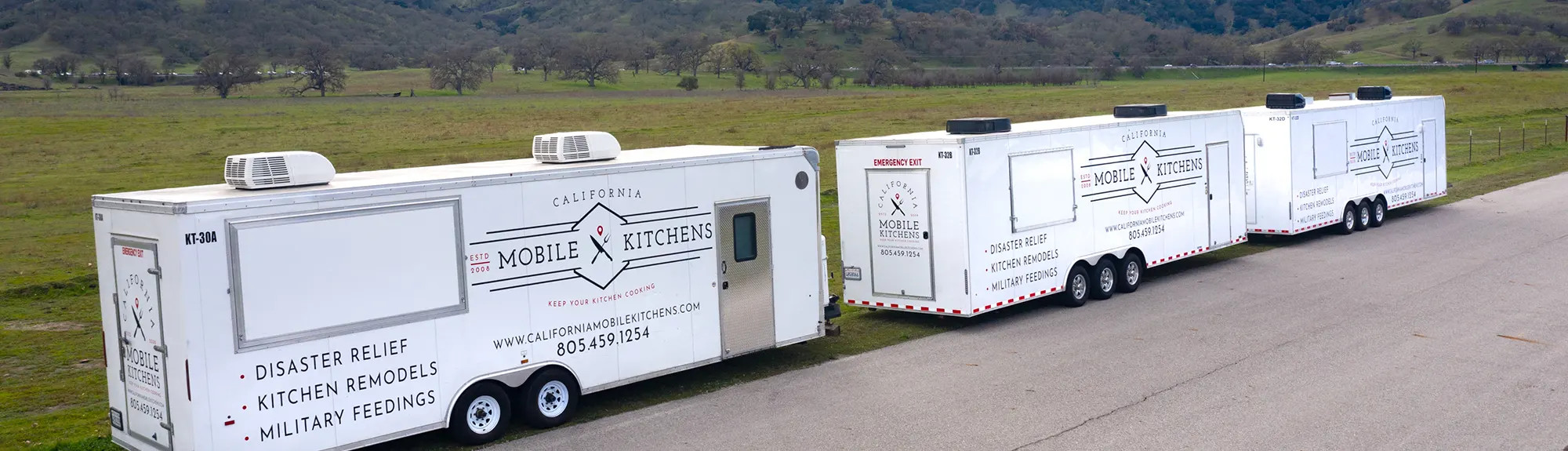
Some operators pair their rental base with off site events or temporary activations. Others rely on mobile infrastructure. Renting kitchen businesses supplies fully equipped trailers nationwide, from disaster relief feeding to film production catering. For businesses navigating renovations or shutdowns, that mobility can protect revenue.
If continuity matters, exploring a Kitchen for Rent may keep production active during transitions. A brief consultation often uncovers options owners haven’t considered.
Compliance Without Heavy Infrastructure
Health regulations aren’t optional, and they tend to tighten over time.
A licensed commercial kitchen rental facility is typically built to meet food safety codes before tenants arrive, with ventilation, sanitation, and waste systems already in place. While operators still obtain their own permits, the infrastructure aligns with regulatory standards from the start.
That alignment reduces risk and can help speed approvals.
For small food businesses unfamiliar with the nuances of local compliance, operating inside a pre-approved Kitchen for Rent simplifies the learning curve. Mistakes become less likely.
The Overlooked Risk: Power Reliability
Electricity is rarely discussed until it fails.
Freezers cannot tolerate extended downtime. Neither can refrigeration lines nor proofing cabinets. In regions prone to grid instability, outages are not hypothetical. They are seasonal realities.
Even within a Kitchen for Rent, operators remain responsible for product integrity. A few hours without power during peak service can erase an entire day’s revenue, whether production is happening in a fixed facility or an electric food truck. Worse, it can compromise food safety.
Mobile kitchen deployments often account for this risk through generator support and auxiliary systems. California Mobile Kitchens, for example, offers 15 kW generator units and additional power solutions for remote installations. For stationary rented facilities, business owners sometimes supplement with standby systems to maintain continuity.
Is backup power always necessary? Not in every region. But evaluating exposure to outages is prudent. A modest investment in resilience may prevent significant losses.
Cost Comparison: Ownership vs Rental Plus Resilience
Consider two simplified scenarios.
An entrepreneur builds a permanent kitchen at $250,000, finances it, and manages ongoing utilities independently. There is no backup power. A prolonged outage results in $12,000 of spoiled inventory and lost service contracts.
Another operator chooses a Kitchen for Rent at $5,000 per month, pairs it with shared facility power infrastructure or supplemental backup arrangements, and scales rental time according to demand. Total annual costs remain variable and easier to forecast.
Numbers will vary, and markets differ. Yet the second model often limits exposure to large, unpredictable losses. Peace of mind carries value, even if it is difficult to quantify.
Operational Clarity and Focus
Owning infrastructure brings maintenance burdens grease traps, HVAC, plumbing, and inspections that distract from culinary work.
With a Kitchen for Rent, those responsibilities shift to the provider, letting operators focus on menus, suppliers, and customers.
This division of responsibility sharpens focus and improves consistency. Food businesses thrive on repetition and refinement; infrastructure management, while necessary, rarely drives innovation.
When Renting Makes Strategic Sense
Not every business should avoid ownership indefinitely. Established restaurants with stable demand may justify long-term investment.
Early-stage caterers, specialty bakers, food truck operators, and seasonal vendors, however, often benefit from maintaining flexibility. Testing a new market? Expanding into institutional contracts? Managing a renovation?
A Kitchen for Rent reduces commitment while preserving capability.
Before signing any agreement, review insurance requirements, confirm utility access, and clarify local permit obligations. Examine power reliability. Ask about waste management and grease disposal policies. Proper planning helps prevent operational friction later.
If you are weighing options, speak with a provider that understands food service logistics, not just equipment leasing. The difference becomes clear in the operational details.
California Mobile Kitchens: A Practical Extension of Rental Strategy
While many operators think of fixed-site facilities, mobile kitchen infrastructure extends the rental model further. California Mobile Kitchens supplies 20-foot and 32-foot commercial-grade kitchen trailers. Each unit can support approximately 300 to 1,000 meals per service period, depending on configuration. Units are deployed nationwide and supported around the clock.
For institutions facing renovations or emergency response teams establishing temporary feeding operations, this model avoids prolonged downtime. It is not simply convenience. It is continuity planning.
Operators evaluating a Kitchen for Rent during transitional periods may find mobile options especially valuable when permanent facilities are unavailable.
Rent a Mobile Kitchen Today Keep Your Operations Running Smoothly.
Practical Steps Toward a Resilient Setup
Start with demand forecasting. Understand average and peak production requirements. Then assess whether a shared facility, dedicated Kitchen for Rent, or commercial kitchen trailers align with those volumes. Next, evaluate power exposure. Does the facility provide generator backup? Are there documented response protocols during outages? If not, explore supplemental arrangements. Insurance should reflect both product value and operational interruption risk. Many overlook this piece. Maintain flexibility in contract terms whenever possible; growth rarely follows perfect projections. If your operation is expanding or facing facility challenges, consider a consultation to explore rental setups that align with your production goals.
FAQs
1. Do rented kitchens provide backup power?
Some do, particularly mobile units. It is important to confirm power reliability and consider supplemental backup where needed.
2. Can I use a rented kitchen during a renovation?
Yes. Many businesses rely on a Kitchen for Rent or mobile kitchen units to maintain service during remodels.
3. Is renting cheaper than building a kitchen?
In many cases, yes. Renting converts large upfront construction costs into manageable operational expenses.
4. Are rented kitchens health department approved?
Most commercial kitchen rental facilities are built to meet local health codes, though operators must secure their own permits.
Conclusion
Ownership signals permanence, but permanence isn’t always strength. Adaptability often sustains small food businesses longer than fixed assets. A Kitchen for Rent provides controlled costs, regulatory alignment, and operational flexibility add thoughtful power planning, and the model becomes even more resilient. The question may not be whether you can build your own kitchen. It might be whether you should.