

Kitchen for Rent: The Smart Solution for Food Startups and Caterers
Walk through any regional food expo or health department briefing, and one theme keeps surfacing. Access to a compliant, workable kitchen space has become harder, not easier. Lease rates are uneven. Build-outs often take longer than planned. Equipment costs arrive all at once. Against that backdrop, the idea of a kitchen for rent stops sounding like a temporary fix and starts looking like infrastructure.
For food startups, caterers, and operators juggling growth with regulation, rented kitchens now sit at the center of real operational planning as a strategy.
Understanding What a Kitchen for Rent Actually Is
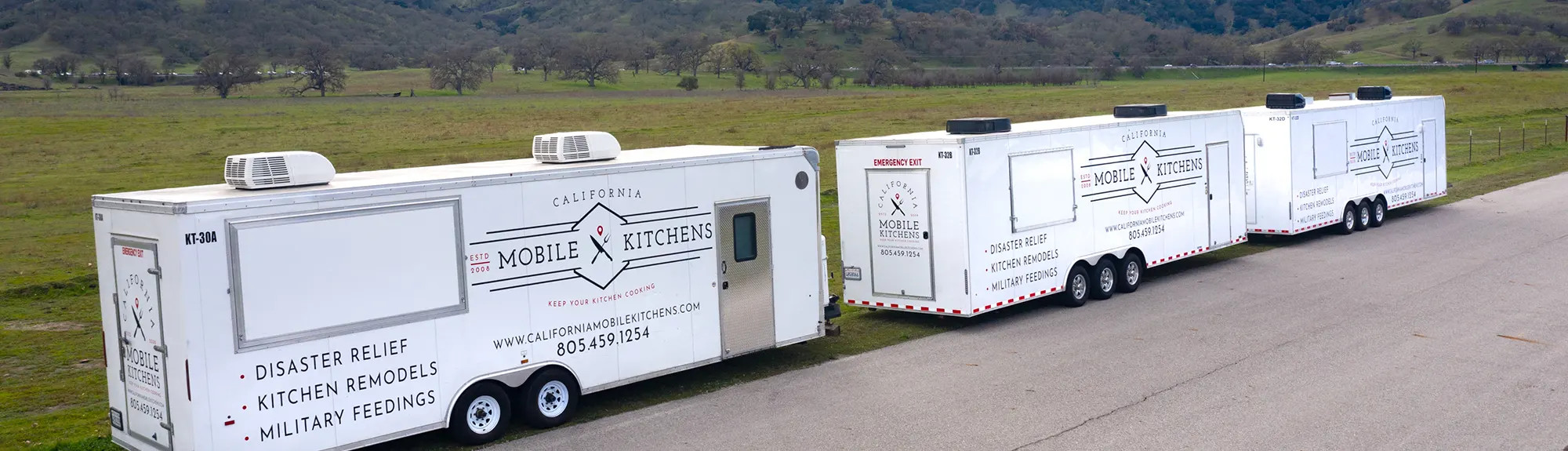
A kitchen for rent is not one thing. It can be a shared commercial space used by multiple businesses on a schedule. It might be a commissary kitchen that supports food trucks, including modern electric food trucks, and catering fleets. In some cases, it is a fully self-contained mobile kitchen trailer delivered to a site and ready to work.
What ties these formats together is purpose. They exist to let food businesses cook, prep, and serve legally without carrying the cost of owning a permanent facility.
Why Demand Keeps Rising
Several forces appear to be converging. Ghost kitchens and delivery-first concepts still need inspected prep space. Catering volumes fluctuate by season. Remodels shut down otherwise healthy restaurants. A kitchen for rent absorbs those swings better than fixed real estate ever could.
Types of Kitchen Spaces Available
Shared Commercial Kitchens
Often hourly or block scheduled. These work well for early stage brands testing recipes or fulfilling limited weekly orders. The tradeoff is availability and storage limits.
Commissary Kitchens
Designed to support ongoing production, these kitchens are often essential for operators running a food truck for rent, along with caterers and packaged food companies that rely on consistent prep space. Dry and cold storage is usually available, though access rules vary by facility.
Mobile Kitchen Trailers
A different category altogether. A mobile kitchen trailer functions as a complete commercial kitchen on wheels, deployed where it is needed. Events, emergency feeding, hospital overflow, and renovation continuity. The appeal here is control and proximity.
Dedicated Private Kitchens
Less common and more expensive, but useful for businesses that have outgrown shared environments and still want flexibility.
Each option solves a slightly different problem. Choosing the wrong one usually costs time rather than money at first, which is often how bigger mistakes slip through.
A Look at the California Kitchen Market
Regional Variation Matters
California does not behave like a single market. Urban centers have dense commissary availability but higher hourly rates. Rural counties may have fewer shared kitchens yet smoother permitting once space is secured. Coastal regions tend to enforce stricter fire and wastewater standards.
Operators sometimes underestimate this. A kitchen for rent in one county may not transfer cleanly to another without adjustments.
Permits and Licensing Realities
Health department approval remains non negotiable. Fire marshal sign off can be overlooked until late. Zoning matters more for mobile units than many expect. Using a licensed facility does not remove responsibility, but it does simplify inspections and documentation.
Why Startups and Caterers Gravitate Toward Rentals
Overhead Stays Predictable
Owning a kitchen concentrates costs upfront. Renting spreads them out. That difference shapes cash flow and risk tolerance, especially in the first two years.
Equipment Access Without Ownership
Commercial ranges, ventilation, grease management, and cold storage. All expensive. All essential. A kitchen for rent places that burden on the facility, not the operator.
Compliance Becomes Manageable
Inspections feel less adversarial when the space already meets baseline requirements. Issues still arise, but they are narrower in scope.
Growth Stays Flexible
Scaling up hours, adding a second shift, and moving into a larger trailer. Rentals adjust more easily than brick and mortar leases. That flexibility tends to matter more than initial savings.
If you are weighing whether to expand production or test a new service line, this is often the point where renting shows its value. A brief planning call with a provider can clarify options faster than weeks of independent searching.
Choosing the Right Kitchen for Your Operation
Match the Kitchen to the Business Model
Caterers need staging space and load out access. Bakers care about oven consistency and scheduling. Food trucks require commissary services and waste handling. Mobile kitchens suit operators who need to bring capacity to the site rather than the other way around.
Questions Worth Asking Early
Who handles waste and grease. What utilities are included. How equipment downtime is managed. Whether storage is guaranteed or shared, these details rarely appear in listings but shape daily operations.
Pricing Structures and Hidden Costs
Hourly rates look attractive until minimums apply. Monthly agreements may exclude utilities. Mobile kitchen rentals factor in delivery, setup, and support equipment. Comparing options requires lining up total operating cost, not just the headline number.
Legal and Health Requirements in California
County Rules Are Not Interchangeable
One county may accept a mobile kitchen setup with minimal modification. Another may require additional wastewater capacity or a fire suppression review. Operators using a kitchen for rent still carry responsibility for compliance, even when the facility is licensed.
Inspections Tend to Go Smoother
Inspectors are familiar with established facilities. That familiarity reduces friction. It does not eliminate scrutiny, but it changes the tone of the process.
What Real Operators Learn From Renting
Caterer Scaling Beyond a Single Venue
A regional caterer used a rented commercial kitchen to expand into off site events. When volume doubled, they added a mobile kitchen trailer for peak season. Fixed space handled prep. The trailer handled service. Overhead stayed stable.
Food Truck Accelerating Growth
A startup truck relied on a commissary kitchen for prep and storage. As routes expanded, scheduling conflicts emerged. Transitioning to a mobile kitchen rental solved capacity issues without locking them into a long lease.
Neither case followed a straight line. Both avoided over committing early.
Reliable, Compliant Kitchens Anywhere with California Mobile Kitchens
Some operations reach a point where shared kitchens no longer provide enough control. That is where mobile solutions tend to enter the conversation. California Mobile Kitchens supplies fully equipped kitchen trailers that function as compliant, commercial kitchens wherever they are deployed.
With decades of experience supporting events, institutions, and emergency operations, their approach focuses on reliability rather than novelty. For caterers, healthcare systems, or organizations facing temporary loss of kitchen space, a kitchen for rent in trailer form offers continuity that fixed locations cannot.
If you are exploring whether a mobile unit could replace or supplement your current setup, a short consultation can clarify feasibility quickly.
FAQs
What is the main advantage of a kitchen for rent?
Lower upfront cost combined with faster compliance.
Are rented kitchens inspected?
Yes. Licensed facilities undergo regular inspections.
Is a kitchen for rent suitable for long term use?
In many cases, especially with mobile or monthly agreements.
Do rented kitchens include equipment?
Most do, though specifics vary by provider.
Conclusion
A kitchen for rent is no longer just a workaround for businesses waiting on something better. It is often the better option. The challenge lies in matching the format to the moment. Shared spaces, commissaries, and mobile kitchens each solve different constraints.
The operators who succeed tend to pause, assess honestly, and choose flexibility over pride. That decision rarely makes headlines. It does, however, keep food going out the door while others stall.