

Kitchen Space for Rent in California: What to Know Before Renting
A recurring pattern shows up across California’s food industry. A restaurant closes for renovation. A caterer lands a short-notice contract. A food brand tests a concept before committing to a lease. In each case, the same question surfaces. Where can production continue without interruption, penalties, or wasted capital?
Kitchen space for rent has become the practical answer, though not always a simple one. California’s regulatory climate, real estate pressures, and health code enforcement create conditions that reward preparation and punish assumptions. Renting a kitchen is rarely just about square footage or equipment access. It is about compliance, logistics, and operational continuity.
This guide examines what actually matters before signing a rental agreement, including alternatives often overlooked.
California’s Food Production Landscape Is Not Neutral
Commercial food production in California operates under layered oversight. County health departments, state agencies, and sometimes federal bodies intersect in ways that can complicate even short-term arrangements.
Kitchen space for rent may appear similar across listings, yet requirements differ sharply.
Local Health Department Authority
Each county sets inspection schedules, permit conditions, and approved use categories. A kitchen cleared for baking may not automatically qualify for hot food production. Some facilities restrict hours or menu types.
Zoning and Use Classification
Not all commercial kitchens are zoned equally. Certain cities limit production volume, employee count, or retail activity. These restrictions can surface after operations begin, not before.
It appears many first-time renters underestimate this layer, often because listings rarely disclose it clearly.
Types of Kitchen Space for Rent Available Across California
Options vary more than most guides suggest. Below is a comparative view of common formats used statewide.
| Kitchen Type | Typical Use Case | Flexibility | Regulatory Risk |
|---|---|---|---|
| Shared commercial kitchens | Startups, small batch producers | Moderate | Medium |
| Private commercial kitchens | Caterers, established brands | Low | Low |
| Temporary kitchen setups | Renovations, emergencies | High | Medium |
| Mobile kitchen trailer | Events, remote sites | Very high | Lower when permitted |
| Food truck for rent | Limited menus, pop-ups | High | Medium |
Each format serves a purpose. Problems arise when the use case and format mismatch.
Cost Structures Are Rarely Transparent
Pricing for kitchen space for rent often looks simple at first glance. Hourly rates. Monthly access. Flat fees. Yet hidden variables add weight quickly.
Utility surcharges, cold storage fees, cleaning requirements, and inspection prep costs frequently sit outside base pricing. Insurance minimums can also differ. Some facilities require coverage levels beyond what small operators carry.
It is believed that many disputes stem not from price itself but from unexamined line items buried in agreements.
Equipment Access Is Not Equipment Control
Listings often highlight available appliances. Ovens. Griddles. Prep tables. Walk-ins. Access does not always mean priority.
In shared commercial kitchens, scheduling conflicts emerge around high-demand equipment. Maintenance downtime can halt production with little notice. Calibration standards may differ from brand requirements.
For operators with fixed menus or volume commitments, this uncertainty carries operational risk.
When Temporary Kitchens Make More Sense
Temporary kitchen solutions are often misunderstood as last resort options. In practice, they frequently offer stronger control.
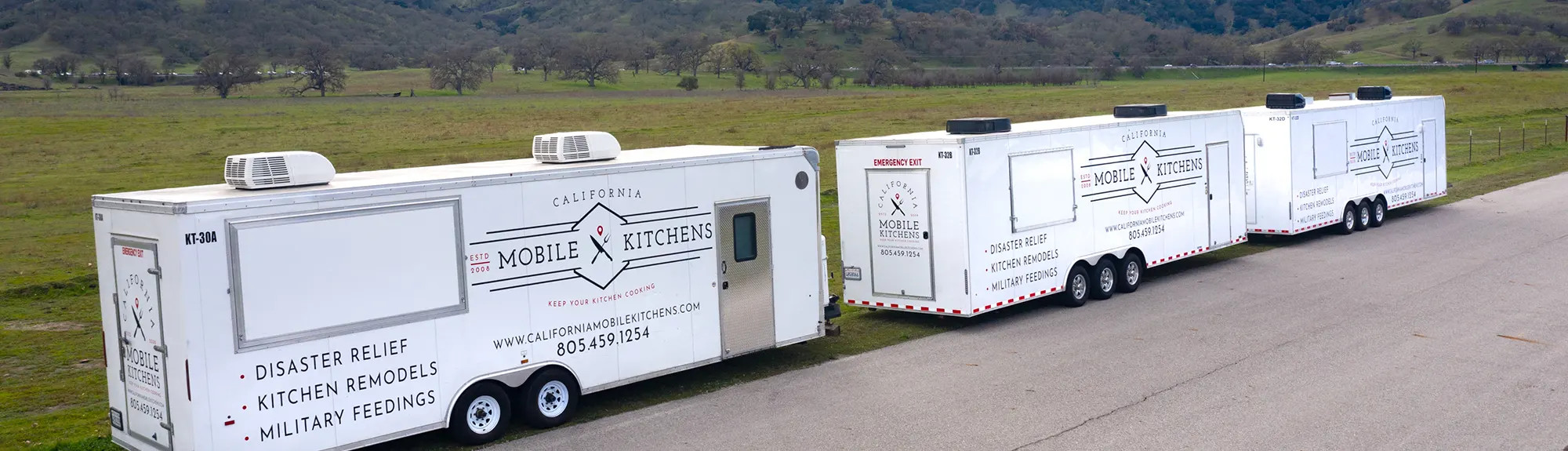
A temporary kitchen setup or mobile kitchen trailer allows production to remain on site during renovations or emergency closures. Health departments often approve these units faster because configurations are standardized and purpose-built.
This approach is commonly used by hospitals, schools, and disaster response teams, not only event operators.
Mobile Kitchen Trailers Versus Fixed Facilities
A mobile kitchen trailer operates under a different logic. Instead of adapting to an existing building, the kitchen arrives compliant by design.
This matters in California, where retrofitting old facilities to current code can delay reopening for months.
Mobile units typically include certified ventilation, fire suppression, NSF equipment, and sanitation layouts aligned with current regulations. For short or mid-term needs, they may reduce friction rather than add it.
Food Truck for Rent Is Not a Kitchen Substitute
Food truck for rent listings often appear alongside kitchen space for rent searches. The overlap can mislead.
Food trucks are regulated as mobile food facilities, not production kitchens. Menu scope, prep limitations, and commissary requirements apply. For volume catering or institutional feeding, they fall short.
They work best for controlled menus, limited service windows, or promotional use.
Permits, Paperwork, and Timing Reality
Permits rarely align with business urgency. Health department approvals can take weeks, sometimes longer, during peak seasons.
Kitchen space for rent that includes permit transfer assistance or existing approvals can shorten timelines. Without that support, even fully equipped spaces may sit unused.
It may be wise to confirm inspection history, not just current status.
A Practical Decision Framework
Before committing, operators benefit from stepping back and asking a few grounded questions.
- Does the kitchen format match the production model, not just the budget?
- Is regulatory responsibility shared or entirely yours?
- What happens if volume increases unexpectedly?
Clear answers here tend to prevent expensive adjustments later.
When Fixed Spaces Fall Short, California Mobile Kitchens Keeps You Moving
At this stage, some operators realize that fixed kitchen space for rent does not solve their immediate challenge.
California Mobile Kitchens is offering temporary and mobile kitchen solutions designed for compliance, speed, and continuity. These setups are commonly used during renovations, disaster response, and large-scale events where downtime is not an option. The appeal lies less in novelty and more in predictability.
It is not always the right choice, though it often deserves consideration earlier than most assume.
Secure a compliant, ready-to-operate mobile kitchen from California Mobile Kitchens and protect your operations from unnecessary downtime.
Frequently Asked Questions
What permits are required for kitchen space for rent in California?
Local health department permits are mandatory, often alongside zoning and fire approvals.
Is a mobile kitchen trailer legal for food production?
Yes, when properly permitted and inspected under county guidelines.
How long does approval usually take?
Timelines vary by county, though several weeks is common.
Can food trucks replace commercial kitchens?
Only for limited menus and specific service models.
Are temporary kitchens inspected differently?
They follow similar standards but often benefit from pre-approved configurations.
Closing Thoughts
Kitchen space for rent in California is not a commodity. It behaves more like an infrastructure decision with regulatory consequences attached.
Those who treat it that way tend to move faster later. Those who do not often circle back, renegotiating under pressure.
The difference is rarely knowledge. It is timing, diligence, and choosing the right format before urgency makes the decision for you.