
Mobile Kitchen Rental in California: Costs, Uses, and Benefits
Operators often seek a mobile kitchen after unexpected disruptions occur. A restaurant renovation runs late. A wildfire shuts down facilities. A hospital needs extra capacity, quickly. Or a festival outgrows its original plan.
That moment, when fixed kitchens stop being reliable, is where Mobile Kitchen Rental in California starts to make sense.
California, with its regulations, geography, and constant activity, presents a specific case. Costs vary widely. Uses are broader than most assume. Let’s unpack it carefully.
Why Mobile Kitchen Rental Has Become Common in California
Permanent kitchens lock you into one location and one capacity. That works until it doesn’t.
California sees frequent disruptions wildfires, earthquakes, public works projects, and seasonal events. Add strict health codes and high construction costs, and flexibility becomes valuable.
A Mobile Kitchen Rental offers a permitted, inspected, self-contained food production space that can be deployed where and when needed. For many operators, that flexibility outweighs ownership.
Not everyone realizes how regulated these units are, including requirements for fire suppression, wastewater handling, handwash sinks, and ventilation systems. Compliance complexity can delay projects if overlooked.
What a Mobile Kitchen Actually Includes
Beyond the Trailer Assumption
Many picture a food truck. That image misses the mark.
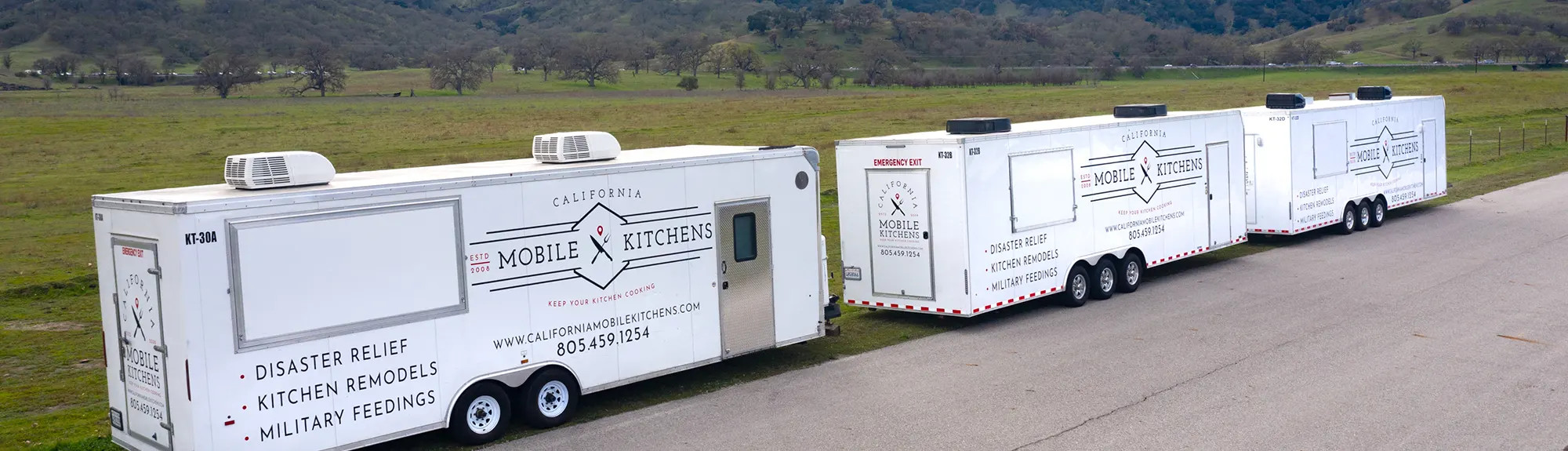
A full Mobile Kitchen Rental often includes commercial-grade cooking lines, ventilation systems, fire suppression, hand-wash sinks, grease management, potable water, and power integration. Some units mirror a small restaurant kitchen almost exactly.
Some are modular prep-only, cooking-only, or dishwashing-only allowing operators to scale or customize based on specific needs and duration of use.
The configuration depends on use, duration, and local code requirements.
Typical Costs of Mobile Kitchen Rental in California
Price Ranges and Why They Shift
There’s no single price list. Costs depend on duration, equipment, location, and support services.
Short-term rentals, such as events or emergency response, may range higher per day. Long-term leases spread costs over months and often reduce daily rates.
Factors that influence pricing include:
- Size and complexity of the kitchen
- Cooking equipment included
- Duration of the rental
- Delivery distance and setup requirements
- Permitting assistance and compliance support
- Add-ons like refrigeration trailers or generators
It appears that California pricing trends higher than many states, largely due to logistics, compliance, and demand.
Common Use Cases That Drive Demand
Restaurant Renovations and Remodels
Health departments rarely allow partial operations during construction. A Mobile Kitchen Rental keeps revenue flowing while permanent kitchens are rebuilt.
Emergency Feeding and Disaster Response
Wildfires and floods displace people and responders. Mobile kitchens support large-scale feeding without relying on damaged infrastructure.
Military and Government Operations
Remote sites, training exercises, and temporary bases rely on mobile food service units. Reliability and scale matter more than aesthetics.
Events, Festivals, and Film Productions
Temporary demand spikes. Permanent kitchens make little sense. Mobile solutions fill the gap without long-term commitments.
Healthcare and Institutional Overflow
Hospitals, shelters, and correctional facilities use mobile kitchens during expansions or emergencies. Food safety requirements are strict, so equipment quality matters.
Regulatory Realities in California
California counties enforce food safety differently, but none treat mobile kitchens casually.
Permits, inspections, wastewater handling, fire suppression certification, and equipment standards all apply. A Mobile Kitchen Rental must align with local health department rules, not just state guidelines.
This is where some low-cost providers fall short. Non-compliant units delay projects and increase risk.
Benefits That Matter in Practice
Speed Without Construction
Building or renovating a kitchen can take months. Mobile kitchens deploy in weeks, sometimes days.
Cost Control
Upfront capital stays low. Maintenance, depreciation, and storage remain someone else’s responsibility.
Scalability
Capacity can expand or contract based on demand. That flexibility is difficult to replicate with permanent facilities.
Risk Reduction
When timelines shift or emergencies arise, mobile kitchens reduce operational downtime.
What Businesses Often Overlook
Utility Planning
Power, water, and waste connections need planning. Mobile does not mean plug-and-play in every location.
Space and Access
Delivery clearance, site grading, and proximity to service areas affect feasibility.
Staff Adjustment
Working in a mobile kitchen feels different. Layouts vary. Training may be needed.
How Mobile Kitchen Rental Compares to Buying
Ownership can be appealing. However, in California, long-term storage, maintenance, permit updates, and depreciation often outweigh any perceived savings.
A mobile kitchen rental removes these burdens. While it may not always be cheaper on paper for permanent operations, rentals often save costs for short-term or flexible use.
Thinking About Booking a Mobile Kitchen Solution?
At this point, many operators look for providers with regulatory knowledge, not just equipment.
California Mobile Kitchens is often referenced in large-scale projects. With decades in the state, their approach reflects local compliance realities, flexible leasing terms, and equipment tailored to different operational needs.
Choosing a provider with proven California experience tends to reduce surprises.
Partner with California experts streamline your operation and stay ahead of regulations.
How to Evaluate a Mobile Kitchen Rental Provider
Ask specific questions:
- How do they handle local health permits?
- What equipment is standard, not optional?
- Who supports setup and troubleshooting?
- How fast can they deploy?
Vague answers usually signal limited experience.
The Long-Term Outlook for Mobile Kitchens in California
Mobile kitchens as temporary infrastructure are becoming a permanent strategy for many operators in California.
As construction costs rise and disruptions continue, Mobile Kitchen Rental fills a gap that traditional kitchens cannot. It may not replace brick-and-mortar facilities, but it complements them.
Frequently Asked Questions
How long can a mobile kitchen be rented in California?
Rental periods range from a few days to multiple years, depending on provider and permit approvals.
Do mobile kitchens meet California health codes?
Yes, when properly designed and permitted. Compliance depends on equipment and local approvals.
Is mobile kitchen rental cheaper than building?
Often, yes, for temporary needs. Long-term cost comparisons depend on duration and scope.
Can mobile kitchens support large-scale feeding?
They can. Many units are designed for institutional and emergency volume.
Are utilities included with mobile kitchens?
The kitchen includes internal systems, but site utilities usually require planning and coordination.
Final Thoughts
A mobile kitchen is not just a trailer. It is a regulated, operational environment that can keep food service running when fixed locations fail or fall short.
Understanding costs, limits, and benefits early prevents rushed decisions later.
And sometimes, flexibility is the only thing that keeps operations moving.