

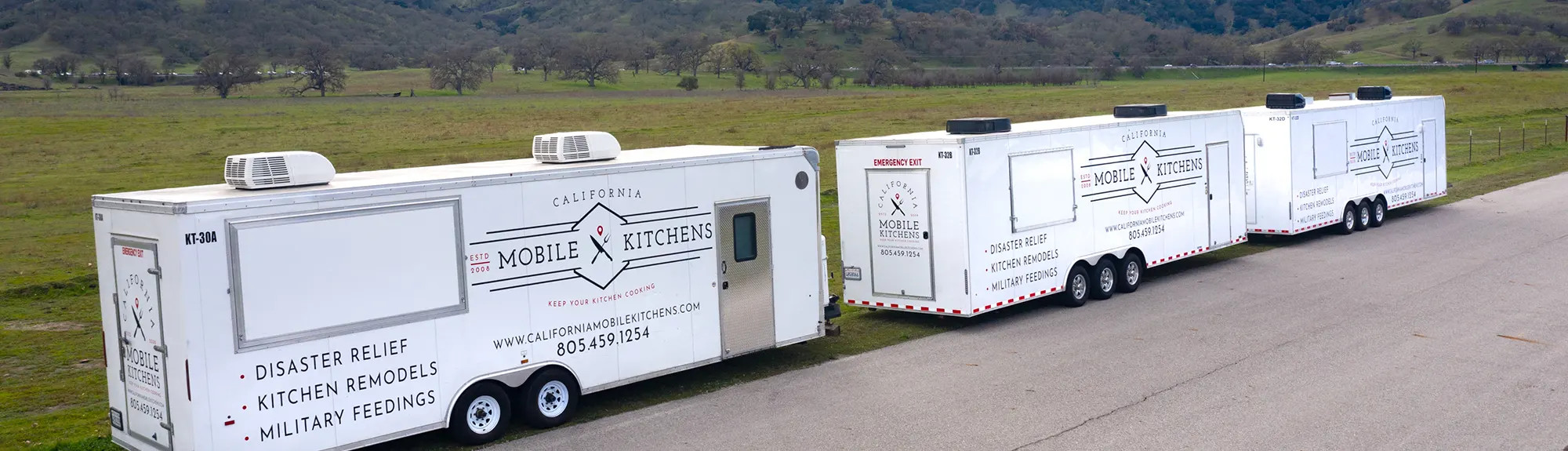
Mobile Kitchen Trailer Explained: When to Rent One in California
A commercial kitchen goes dark faster than most operators expect. A failed hood system, a fire suppression issue, a renovation running long, or a permit delay. Suddenly, meals still need to be served, contracts still stand, and staff are still on payroll. California’s regulatory environment leaves little room for improvisation, which is why a mobile kitchen trailer often enters the conversation earlier than planned.
Across the state, these units quietly support hospitals, schools, military installations, and event operations when permanent kitchens are unavailable or impractical. Understanding when renting one makes sense, and when it doesn’t, requires more than a surface-level explanation.
What a Mobile Kitchen Trailer Actually Is
Beyond the Food Truck Assumption
A mobile kitchen trailer is not just a food truck. These trailers are purpose-built, health department compliant commercial kitchens on wheels. They are designed to mirror fixed kitchen workflows, not replace them with shortcuts.
Inside, you’ll typically find full cooking lines, ventilation, fire suppression, handwashing stations, refrigeration, and utility connections that align with local codes. The intent is continuity. Service continues. Menus remain intact. Oversight stays predictable.
In California, that predictability carries weight.
Why California Operations Rely on Temporary Kitchens
California’s health departments, labor rules, and permitting structures create a narrow operational margin. When a kitchen shuts down, reopening is rarely quick. Temporary kitchens provide a legal bridge, allowing service to continue while compliance issues are addressed.
It’s believed this reliance has grown as facilities age and renovation cycles overlap with staffing shortages. The alternative is closure. For many operators, that’s not an option.
Situations Where Renting Makes Sense
Renovations and Infrastructure Upgrades
Large-scale kitchen renovations tend to overrun timelines. Dust, noise, and utility interruptions are unavoidable. A mobile kitchen trailer allows food service to continue on-site, maintaining revenue and staff schedules without improvisation.
Emergency Response and Fire Recovery
After fires or floods, rebuilding takes time. Insurance assessments stretch. Temporary kitchens fill the gap, particularly for institutions serving fixed populations like hospitals or correctional facilities.
Large-Scale Events and Remote Feeding
Concerts, wildfire response camps, and military exercises often require commercial kitchens where no permanent facilities exist. Mobile kitchen rental solutions allow controlled production in environments where pop-up cooking would fail inspections.
Permitting Delays
It happens more often than admitted. A facility is built, equipment installed, and a final approval stalls. Temporary kitchens keep operations moving while paperwork catches up.
How Commercial Kitchens Differ from Temporary Solutions
Maintaining Standards Under Pressure
Commercial kitchens rely on repeatable systems. Temperature control, sanitation flow, and staff movement patterns are engineered. A well-designed temporary kitchen respects those same principles.
Not all temporary setups do.
The difference between a compliant mobile kitchen trailer and an improvised solution often shows up during inspection. California inspectors look for intent and execution. Proper trailers usually satisfy both.
Operational Considerations Before Renting
Utilities and Site Logistics
Power, water, waste, and access routes determine feasibility. Some sites require generators or supplemental refrigeration units. Others have tight footprints that influence trailer size.
Planning matters here. Rushing the decision can introduce delays that the rental was meant to prevent.
Staffing and Workflow Adaptation
While layouts are familiar, staff still need orientation. Line spacing feels different. Storage locations shift. These adjustments are minor, but ignoring them causes friction during service.
Health Department Coordination
Local authorities must approve the setup. Established providers typically understand jurisdictional differences across California counties. That familiarity reduces surprises.
If you’re considering a mobile kitchen trailer, engaging specialists early tends to save time later. A quiet consultation often clarifies feasibility faster than internal debate.
When Renting May Not Be the Right Call
Short Downtimes
If closures last only a few days, setup time may outweigh benefits. In such cases, menu reduction or off-site prep might suffice.
Space Constraints
Urban locations sometimes lack staging areas. Permits for curb placement or lot usage may complicate logistics.
Limited Menu Requirements
Operations serving minimal food production may not require a full-scale solution. Over-specifying can introduce unnecessary cost.
These limitations don’t invalidate mobile kitchen rental options, but they should temper expectations.
Temporary Kitchens and Risk Management
Lost service days don’t stop at missed revenue. They strain contracts, drive staff turnover, and make reopening increasingly difficult.
A temporary kitchen reduces those risks. It doesn’t eliminate stress, but it narrows the window of disruption.
In regulated environments, continuity often matters more than optimization.
Choosing the Right Partner in California
Providers with long operating histories tend to anticipate problems before they surface. That matters when inspections, utilities, and timelines converge.
California Mobile Kitchens has operated mobile kitchen solutions in California for over three decades, working across emergency response, military feeding, and large-scale commercial projects. Their focus has historically leaned toward functionality and compliance. That distinction becomes visible during deployment.
If you’re weighing options, it may be worth speaking directly with a specialist who understands county-level differences and equipment configurations. A brief conversation can clarify whether a mobile kitchen trailer is appropriate or excessive for your situation.
Speak with a California Mobile Kitchens specialist today to find the right solution for your project.
How Long-Term Rentals Change the Equation
Some projects last months. Others stretch into years. Long-term temporary kitchen deployments often become semi-permanent infrastructure, particularly during phased renovations or disaster recovery.
In these cases, consistency matters more than speed. Equipment reliability, service support, and layout customization become central concerns.
Short-term thinking doesn’t hold up well here.
Cost Considerations: What Drives Pricing
Rental duration, equipment loadout, delivery distance, and support services all influence cost. Generators, refrigeration trailers, and add-ons shift pricing further.
Comparisons should account for downtime losses, not just rental fees. A cheaper option that fails inspection quickly becomes expensive.
Operators often underestimate this.
The Quiet Advantage of Being Prepared
A mobile kitchen trailer is rarely part of the original plan. It becomes relevant when something else fails or shifts.
Those who understand the option early respond faster when disruption hits. Those who don’t tend to scramble often at a higher cost and with fewer choices.
If maintaining service continuity matters, exploring temporary kitchen options before a crisis is a reasonable step.
FAQs
What permits are required for a mobile kitchen trailer in California?
Local health department approval is required, often coordinated by the rental provider.
How quickly can a temporary kitchen be deployed?
Deployment timelines vary, but established providers can often mobilize within days, depending on availability and site readiness.
Can a mobile kitchen support full menu production?
Yes, when properly equipped, these trailers function as full commercial kitchens.
Are utilities always required on-site?
Not always. Generators, water tanks, and waste systems can supplement site limitations.
Is a mobile kitchen rental suitable for long-term use?
It can be, especially during extended renovations or recovery projects, provided maintenance and support are in place.
Conclusion
Mobile kitchens sit at an intersection of regulation, logistics, and necessity. They’re not flashy solutions, but they tend to work when designed and deployed correctly.
In California, where delays are common and compliance is non-negotiable, renting a mobile kitchen trailer often becomes less about convenience and more about operational survival.
The question isn’t whether disruptions will happen. It’s whether there’s a plan when they do.