
Mobile Kitchens for Schools, Hospitals, and Government Facilities in California
Even when the lunch bell rings on time, or a building is offline, patients and residents still need meals that meet their dietary requirements, and emergency shelters cannot pause food service. Across California, institutional kitchens rarely have the luxury of downtime, yet construction schedules, safety upgrades, and sudden surges make interruptions almost unavoidable. That tension is where Mobile Kitchens for Schools and other public facilities tend to appear as a practical response to real operational pressure.
California adds its own complexity, as regulations shift by county, wildfire season changes planning assumptions, and earthquakes remain a consideration in every facility's meeting. The scale of school districts, hospital networks, and state agencies pushes food service beyond simple catering. A mobile kitchen, done right, becomes infrastructure, temporary but serious.
Why Mobile Kitchens Matter for Institutional Food Service
Institutional feeding is unforgiving. Missed meals turn into compliance issues quickly. For schools, it may affect funding tied to meal counts. For hospitals, it impacts patient care and staff operations. Government facilities face public scrutiny that leaves little margin for error.
Mobile Kitchens for Schools solve one primary problem: ensuring continuity of food service. When a cafeteria closes for seismic retrofits or ventilation upgrades, meals still need to move through approved workflows. The same logic applies to hospitals during phased remodels and to counties setting up evacuation centers overnight. Flexibility is valuable, but predictability matters more.
What Is a Mobile Kitchen Trailer, Really?
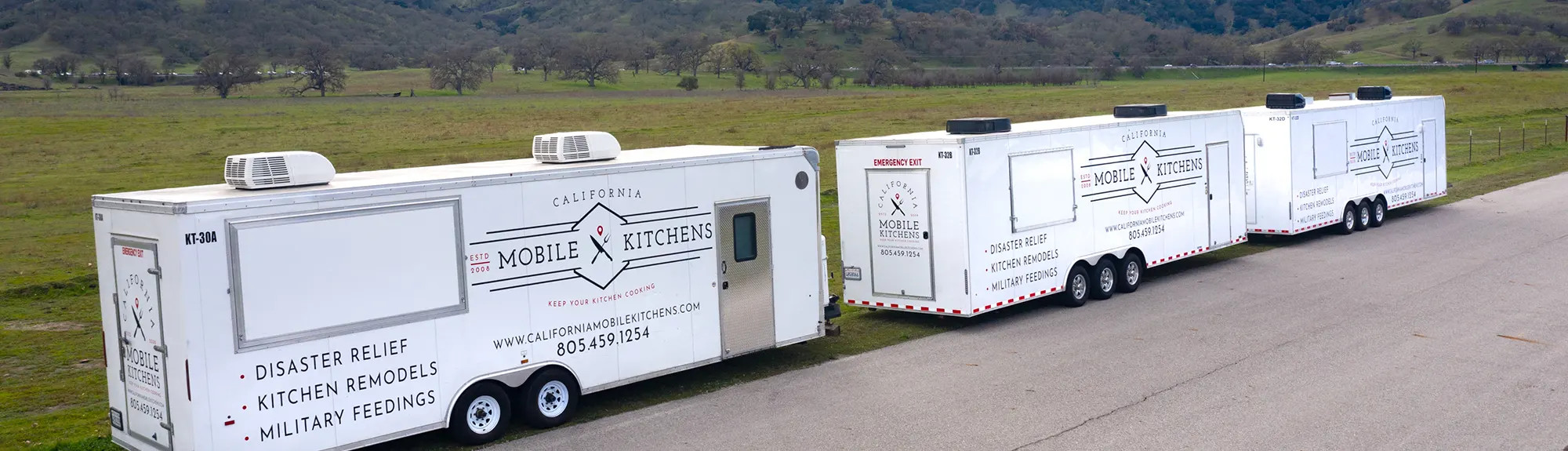
A mobile kitchen trailer is not a Electric Food Trucks with extra appliances. It is a self contained, commercial grade kitchen built to replicate the core functions of a permanent facility.
Equipment and layout considerations
Inside, you typically find full size cooking equipment, prep tables, ventilation hoods, fire suppression, and dishwashing capacity. Power can come from either grid hookups or generators, and water and waste systems are designed to comply with health department standards, although requirements may vary locally.
Size and production capacity
Trailer size affects output. Smaller units may handle a few hundred meals per service period. Larger trailers scale into the thousands. For Mobile Kitchens for Schools, the range matters because enrollment swings by site, season, and program type.
Why Schools Turn to Mobile Kitchens
School districts often plan renovations years ahead. Reality rarely cooperates.
Cafeteria renovations without service gaps
A closed kitchen does not excuse missed meals. Mobile Kitchens for Schools allow districts to keep National School Lunch Program operations running while crews work inside the building. While it may seem straightforward, the logistics become more complex when considering bell schedules, student flow, and limited campus space. In some cases, administrators also evaluate when Businesses Need Freezer Trailer Rentals to provide temporary cold storage that supports meal continuity during renovations.
Summer and supplemental meal programs
Summer feeding programs create demand where no cafeteria may exist. Mobile kitchens can park near distribution points, reducing transport time and food safety risk.
If you are evaluating options, now is the moment to request a site assessment rather than guessing what will fit.
Why Hospitals Use Mobile Kitchens
Hospitals operate under different pressures. Diet orders are clinical. Timing is strict. Inspections are frequent.
Renovations and phased construction
Many hospital kitchens were built decades ago. Upgrades happen in phases to avoid shutdowns. A mobile kitchen can shoulder part or all of production while work progresses. It may not replace every function, but it often covers the critical ones.
Surge capacity and emergencies
During pandemics, wildfires, or earthquakes, hospitals see staff numbers rise and supply chains strain. Temporary kitchen capacity becomes a form of resilience, not just a stopgap.
Government and Public Sector Applications
Public agencies use mobile kitchens in ways that rarely make headlines, but the impact is visible on the ground.
Emergency feeding operations
Evacuation centers and disaster response sites need immediate food service. Mobile kitchens deploy faster than fixed builds and adapt as locations shift.
Field operations and remote clinics
Some county and state programs operate far from any permanent infrastructure. Mobile kitchens support crews working long hours in temporary settings, where morale and nutrition matter more than many planners expect.
Planning and Procurement for Institutional Buyers
Because procurement rarely moves as quickly as emergencies, this mismatch can create significant stress.
RFPs, timelines, and vendor vetting
Institutions often issue RFPs months in advance for planned projects. Evaluating vendors means looking past brochures. Ask about health department coordination, previous institutional deployments, and what happens when inspections raise questions.
Permitting and compliance realities
Permits stay local. Fire marshals, health departments, and ADA requirements vary. It is believed that early coordination reduces delays, though it cannot eliminate them entirely. Budget time for that uncertainty.
Operational Best Practices Once Deployed
A mobile kitchen works only as well as the operation around it.
Staffing and workflow
Staffing levels may need adjustment. Layouts differ from permanent kitchens, even when the equipment is familiar. A short orientation often prevents longer headaches later.
Utilities, waste, and sanitation
Power, water, grease, and wastewater management define daily operations. Overlooking these details leads to shutdowns faster than any equipment failure.
Comparing Options: Mobile vs Modular vs Fixed Expansion
Decision makers often weigh several paths.
Mobile kitchens tend to deploy faster and move when the job ends. Modular kitchens can offer more space but require a longer setup. Fixed expansions deliver permanence but demand capital, time, and patience.
For Mobile Kitchens for Schools, flexibility often outweighs permanence, especially when enrollment or funding may change before construction finishes.
How California Mobile Kitchens Supports Public Institutions
California Mobile Kitchens works with schools, hospitals, and government agencies that need compliant, deployable food service capacity. Experience with institutional requirements shapes trailer configuration, from equipment selection to ADA access and waste handling. Nationwide logistics help, but local coordination in California remains central. If your team is planning months ahead or reacting to an unexpected closure, a conversation early often clarifies what is realistic.
Reach out to us for an institutional quote if you are balancing timelines, compliance, and meal counts that cannot slip.
Frequently Asked Questions
Are mobile kitchens approved by California health departments?
Approval depends on local jurisdiction. Units are designed to meet standards, but permits are issued locally.
How long does setup usually take?
Setup can range from hours to a few days, depending on utilities, site prep, and inspections.
Can mobile kitchens handle special dietary requirements?
Yes, within equipment limits. Hospitals and schools often configure units to support specific menus.
What insurance is typically required?
Institutions usually require general liability and sometimes additional coverage, defined in contracts.
How far in advance should schools plan?
For renovations, several months are typical. Emergencies compress that timeline significantly.
Looking Ahead for Institutional Food Service
Mobile kitchens for schools are likely to remain in demand even after construction projects are completed. Climate events, aging infrastructure, and evolving regulations suggest continued demand. Institutions that plan for temporary capacity before they need it tend to respond better when plans change.
The question is less whether mobile kitchens belong in public sector planning, and more how deliberately they are integrated into it.