

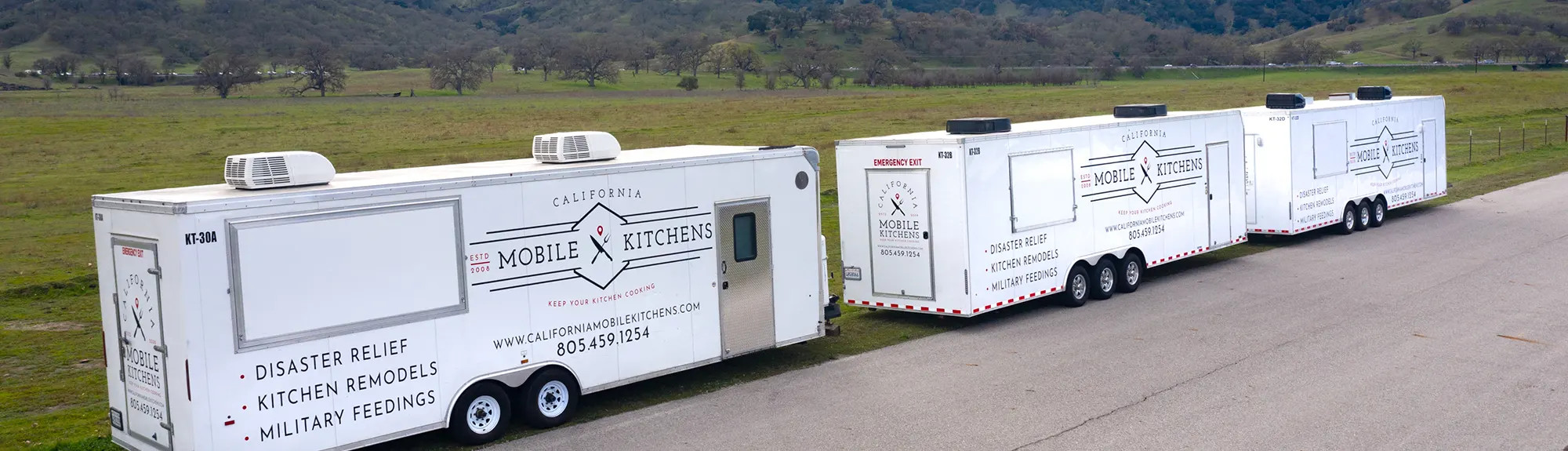
Rent a Commercial Kitchen vs. Building One in California
When food businesses face a space decision, few choices are as expensive or as revealing.
A catering company lands a new contract. A restaurant needs to keep service running during renovations. A food brand is testing demand before committing serious capital. The question arises: Rent a commercial kitchen, or build one from the ground up?
In California, that choice comes with added significance. Regulations are strict, permits are slow to obtain, and construction costs rise quickly. What seems feasible in theory can easily stall in reality. Every detail counts, and the room for error remains narrow.
This comparison breaks the issue apart.
The California Factor That Changes Everything
Regulations are not optional here.
California does not treat commercial kitchens casually. County health departments, fire marshals, zoning authorities, and environmental agencies all weigh in. Their standards vary by location, and alignment is not guaranteed.
Building a kitchen usually means navigating:
- Local zoning approvals
- Health department plan reviews
- Fire suppression system inspections
- ADA compliance checks
- Environmental impact considerations
Timelines often extend, costs rise, and delays can pile up, even when the process seems manageable.
When you rent a commercial kitchen, much of the groundwork is already in place. The facility has been inspected, systems are certified, and compliance is built into the structure rather than something you have to chase afterward.
Upfront Cost Reality Check
Construction rarely stops at the original budget.
Building a commercial kitchen in California often starts with confidence and ends with compromise. Material prices fluctuate, labor shortages arise, and unexpected code upgrades can appear mid-build.
Initial expenses may include:
- Architectural and engineering plans
- Permitting and plan review fees
- Construction and utilities
- Commercial-grade equipment
- Fire and ventilation systems
Renting a commercial kitchen spreads costs over time, keeps capital liquid, and reduces risk. For many operators, especially those scaling or testing new concepts, this flexibility is often more valuable than ownership.
Time as an Invisible Expense
Delays cost revenue, not just patience.
A built kitchen is not usable until final approval. That approval may take months—sometimes longer.
Renting compresses the timeline. Kitchens can be operational quickly, sometimes within days, depending on configuration and delivery. This speed often decides the outcome for:
- Emergency response feeding
- Temporary replacement during renovations
- Seasonal or event-based food operations
- Government or military contracts with fixed start dates
Time lost waiting for permits is time not serving customers.
Flexibility Under Changing Conditions
Businesses evolve. Buildings do not.
As menus change, demand shifts, and contracts evolve or end, a permanent kitchen can lock you into decisions, reducing flexibility.
When you rent a commercial kitchen, the scale becomes adjustable. Units can be added, removed, or relocated. Equipment layouts can shift. Lease terms reflect real-world uncertainty rather than ideal projections.
This flexibility is especially relevant in California, where:
- Property costs remain volatile
- Regulations evolve
- Disaster response needs arise without warning
Ownership offers control, yes—but control can turn into constraint.
Operational Reliability vs. Learning Curves
Experience reduces friction.
Operating a kitchen is different from operating a facility. Construction management, equipment procurement, and regulatory coordination require specialized knowledge.
Renting transfers much of that burden to providers who focus exclusively on mobile or temporary kitchen infrastructure. Their systems have been tested. Failures have already been corrected. That experience tends to show up quietly, in fewer disruptions.
Building demands internal oversight or external consultants. Either way, it adds another operational layer.
Long-Term Cost Arguments That Deserve Scrutiny
Ownership is not always cheaper.
The common assumption is that building becomes cheaper over time. Sometimes it does but often it doesn’t.
Maintenance, upgrades, inspections, and compliance requirements continue year after year. Equipment wears out, codes evolve, and insurance costs rise.
Renting may look expensive monthly. Yet when viewed against total lifecycle cost, including downtime risk, the numbers blur.
Situations Where Building Still Makes Sense
Renting is not universal.
There are cases where building a kitchen in California is justified:
- High-volume, permanent operations
- Stable menus with long-term demand certainty
- Locations where zoning and permits are already secured
- Organizations with internal facilities expertise
Even then, some choose to rent a commercial kitchen temporarily during construction. It keeps operations running and contracts intact.
Comparing Risk Profiles Side by Side
Risk hides in different places.
Building concentrates risk upfront capital, approvals, timelines. Renting distributes risk across time and providers.
Neither option is risk-free. One is simply easier to exit.
Real-World Use Cases in California
Temporary does not mean limited.
Mobile and rented commercial kitchens in California are commonly used for:
- Hospital and healthcare feeding
- Military base operations
- Disaster relief and wildfire response
- Stadiums and large-scale events
- Restaurant remodels
- Remote or rural operations
Considering Service Support and Infrastructure
Equipment is only part of the equation.
Power, water, waste management, refrigeration, and safety systems matter as much as cooking surfaces.
When you rent a commercial kitchen, support equipment often comes bundled or easily added. Building requires coordination across vendors and missing one piece can pause operations.
Looking for a Ready-to-Deploy Solution?
When timelines are tight or flexibility outweighs ownership, partnering with an experienced provider can make all the difference.
California Mobile Kitchens stands out, backed by decades of deployment across government, military, healthcare, and commercial sectors. Their focus is on operational readiness, not just sales.
Don’t wait partner with the experts in mobile kitchen readiness today.
Frequently Asked Questions
Is it legal to rent a commercial kitchen in California?
Yes. Rented commercial kitchens must meet local health and safety regulations, which established providers already maintain.
How fast can a rented commercial kitchen be operational?
Often within days or weeks, depending on site readiness and configuration needs.
Does renting include equipment and compliance systems?
Typically yes. Most rentals include cooking equipment, ventilation, and fire suppression systems.
Is building a kitchen cheaper long-term?
It can be, but ongoing maintenance, compliance updates, and downtime costs are often underestimated.
Who benefits most from renting?
Caterers, restaurants under renovation, emergency response teams, and organizations needing temporary or scalable kitchen capacity.
Final Thoughts
In California, the decision to rent or build a commercial kitchen often comes down to adaptability.
Markets shift. Emergencies occur. Contracts evolve. Early on, flexibility often outweighs permanence. Some operators eventually build their own kitchens. Many start by renting.
The choice isn’t simply right or wrong it’s about knowing when certainty truly exists.