

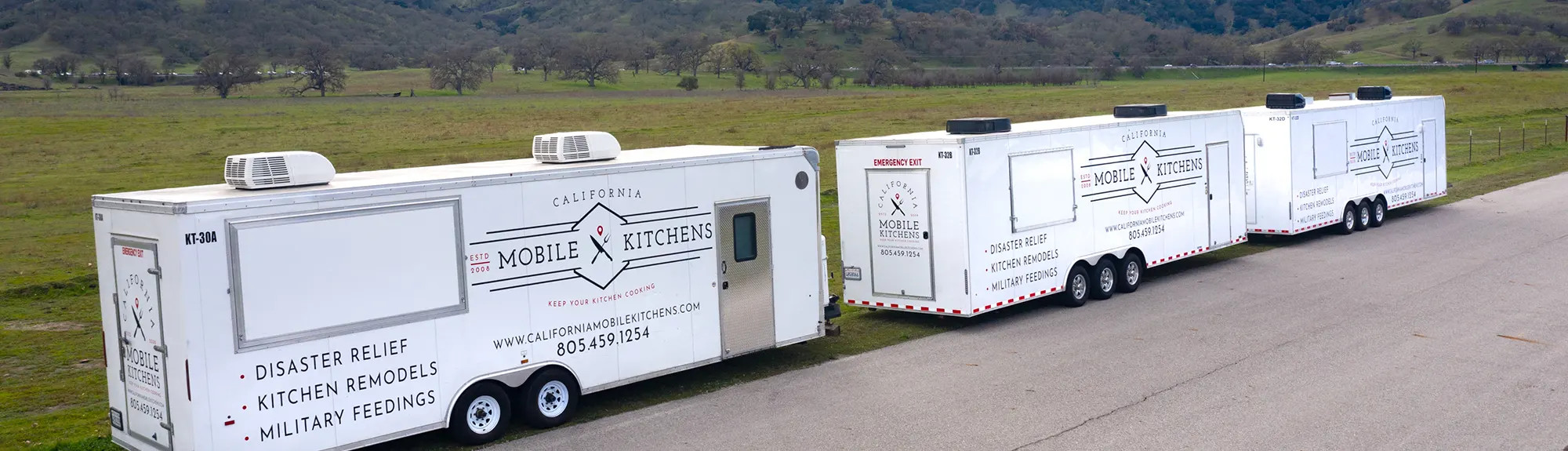
Temporary Kitchens for Restaurants During Renovations in California
Renovation plans can seem simple in theory, but far more complicated in practice. Walls come down, utilities shift, inspectors arrive unannounced, and suddenly the kitchen that paid the bills yesterday is unusable today. Closing entirely may seem simpler, yet for many California restaurants, that option quietly drains momentum, staff loyalty, and customer habits. This is where Temporary Kitchens tend to enter the conversation as a calculated operational decision.
Across California’s tightly regulated food service landscape, temporary kitchen solutions have become a practical response to a familiar problem.
Renovation Downtime and the California Reality
California brings unique challenges. Health department regulations are multi-layered, and local fire codes differ by county. Coastal cities often enforce stricter zoning rules. During renovations, even small utility interruptions can lead to complete operational shutdowns.
Restaurants operating on thin margins feel this immediately. A two-week closure often becomes four. Sometimes six. Revenue pauses, but fixed costs do not. It appears many operators underestimate this gap until permits stretch longer than expected.
Temporary Kitchens do not erase these complications. They reduce exposure to them.
What “Temporary Kitchen” Actually Means
Temporary Kitchens are fully equipped mobile or modular commercial kitchens designed to operate independently or alongside an existing structure.
- Commercial-grade cooking equipment
- Ventilation systems aligned with fire regulations
- Handwashing and sanitation stations
- Utility hookups or self-contained power and water
Not all setups look the same. Some sit in parking lots. Others tuck behind buildings or inside fenced service areas. The form depends on site constraints, menu requirements, and local approvals.
Why Restaurants Choose Temporary Kitchens Instead of Closing
Closing feels definitive. Temporary Kitchens feel complex. Yet many operators still choose complexity.
Revenue continuity ranks high. Staff retention follows closely. Experienced cooks tend to leave when work disappears, not when work shifts location. Regular customers also develop habits. Breaking them carries long-term cost.
Temporary Kitchens allow menus to be reduced without vanishing altogether. It may not be perfect continuity, but it is continuity.
Health Department Compliance During Renovations
California environmental health departments do not relax standards during construction. If anything, scrutiny increases.
Temporary Kitchens must meet the same food safety requirements as permanent facilities. NSF-rated equipment, proper wastewater disposal, temperature control, and pest mitigation are all mandatory.
It is believed that restaurants using professionally designed Temporary Kitchens experience fewer inspection delays than those attempting improvised solutions. Pop-up shortcuts rarely survive first inspection.
Fire Codes, Ventilation, and Local Permits
Ventilation remains one of the most misunderstood elements. A mobile kitchen still produces grease-laden vapors. Fire suppression systems are required. Clearances matter.
Local fire marshals often inspect Temporary Kitchens with particular care, especially in dense urban areas. Some cities require temporary use permits, while others classify them as mobile food facilities.
This variance explains why planning matters. A setup approved in Los Angeles County may not transfer cleanly to San Diego.
Site Logistics and Physical Placement
Parking lot access seems simple until delivery trucks block neighboring tenants. Noise becomes an issue earlier than expected. Grease disposal must avoid storm drains.
Temporary kitchens require careful spatial planning. Equipment layout, generator placement, refrigeration trailers, and staff movement all influence whether operations run smoothly or encounter daily friction.
Menu Adjustments That Actually Work
Not every menu translates well. High-volume frying, extensive baking, or multi-station plating may need adjustment.
Successful restaurants often simplify operations without losing their identity: fewer menu items, shorter prep times, and adjusted service hours. It may not be ideal, but it allows for greater control.
Temporary Kitchens support production. They do not magically expand capacity.
Cost Considerations Beyond Rental Fees
Rental pricing draws attention, but hidden costs matter more. Utility hookups, permits, inspections, site preparation, and security fencing. Some costs fluctuate by city.
It may be tempting to compare Temporary Kitchens against full closure savings. That comparison rarely accounts for lost brand presence or rehiring costs.
In many cases, the decision becomes less about expense and more about risk management.
Who Should Probably Not Use a Temporary Kitchen
Temporary Kitchens are not universal solutions.
Very small operations with limited menus sometimes benefit more from a brief closure. Restaurants undergoing full structural rebuilds may lack space entirely. Others operate seasonally and can absorb downtime.
Temporary Kitchens make the most sense when customer retention, staffing stability, and brand visibility hold measurable value.
Looking for a Temporary Kitchen Partner?
When planning turns into execution, details matter. Equipment availability, delivery timelines, and regulatory know-how can make or break a project.
For over 30 years, California Mobile Kitchens has been a trusted name in the industry. With deep knowledge of California regulations and flexible temporary kitchen solutions, both short- and long-term, they let restaurants focus on what matters most: running operations smoothly.
Get your temporary kitchen set up right reach out to California Mobile Kitchens now.
Long-Term Impact After Renovations End
An interesting pattern emerges after renovations conclude. Restaurants that used Temporary Kitchens often reopen with stronger staff continuity and less customer attrition. Some even retain temporary equipment briefly to ease the transition back.
It suggests that staying operational, even imperfectly, reinforces stability more than many expect.
Frequently Asked Questions
Are Temporary Kitchens allowed in all California cities?
Approval depends on local zoning regulations, health department requirements, and fire authority approvals. Rules can vary by city and county.
How long can a restaurant operate from a temporary kitchen?
Timeframes vary, but many restaurants successfully operate from temporary kitchens for several months during extended renovation periods.
Do Temporary Kitchens require health inspections?
Yes. Temporary Kitchens must meet the same food safety standards as permanent commercial kitchens and are subject to health inspections.
Can full menus be maintained?
Often partially. Menu adjustments are common and typically recommended to match the temporary kitchen’s capacity and layout.
Is customer access affected?
Service models may change, but many restaurants continue normal operations with only minor modifications during renovations.
Final Thoughts
Renovations disrupt operations. That part is unavoidable. How disruption is managed remains a choice.
Temporary Kitchens offer one path forward. While not without constraints, they are grounded in operational realism. For California restaurants navigating regulatory complexity, space limitations, and financial pressure, they remain a tool worth evaluating carefully.
Sometimes the smartest move is not closing the doors, but shifting where the work happens—just for a while.