

When Do Food Businesses Need Freezer Trailer Rentals in California?
Cold storage challenges rarely present themselves with advance notice. A compressor fails overnight. A heatwave pushes a weekend operation beyond capacity. A facility remodel extends past its planned timeline. In California’s food economy, where high volume, strict regulation, and climate pressures converge, such disruptions occur more frequently than many operators anticipate.
The question is not whether cold storage matters. It is when a freezer trailer rental becomes the most practical decision, rather than an expensive workaround or a risky compromise. The answer depends on timing, scale, and how much downtime your business can realistically absorb.
This article looks at the situations where temporary cold storage is not a stopgap, but a smart operational move.
Why Cold Storage Pressure Is Higher in California
California food businesses operate under a unique strain. Long growing seasons create bursts of supply. Tourism spikes demand without warning. Wildfires and grid outages interrupt infrastructure in ways other states rarely face.
Add to that strict health department oversight and zero tolerance for temperature violations, and the margin for error narrows quickly. Many businesses underestimate how quickly refrigeration gaps can lead to compliance issues, not just financial losses especially when operating alongside Mobile Kitchen Trailers, where cold storage reliability is just as critical as cooking capacity.
In these conditions, a freezer trailer rental often functions as insurance that keeps inventory safe and inspectors satisfied.
What Is a Freezer Trailer and When Does It Make Sense
A practical overview
A freezer trailer is a mobile, self-contained cold storage unit designed for commercial food use. It arrives on a trailer chassis, plugs into power, and holds frozen or refrigerated product at stable temperatures for days, weeks, or months.
Unlike portable chest freezers or improvised cold rooms, these units are built for volume and consistency.
Trailer vs permanent walk in
Permanent walk-ins make sense for predictable, year-round demand. They do not make sense when storage needs spike temporarily or disappear after a season.
A freezer trailer rental avoids long-term capital costs, construction delays, and permitting headaches. For many operators, flexibility outweighs ownership.
Common Scenarios Where Rentals Become Essential
Equipment failure and downtime
Refrigeration failure is not rare. What matters is response time.
When a walk-in freezer goes down, product loss starts immediately. Dumping inventory hurts. Closing service hurts more. A freezer trailer rental can be delivered fast enough to prevent both, assuming planning is not left to the last minute.
This is one of the most common reasons restaurants turn to temporary cold storage.
Seasonal demand and peak volume
Farmers' markets, harvest season, holiday catering, and summer festivals all create short bursts of storage demand.
Buying equipment for those peaks rarely pencils out. Renting does. Seasonal operators often find that a freezer trailer rental for a few weeks costs less than the depreciation on equipment used twice a year a reality that mirrors the broader decision many operators face when weighing Food Trailer for Rent vs. Buying a Food Truck.
Catering and large-scale events
Events do not wait for kitchens to catch up. Food must be staged near the venue, sometimes days in advance.
Mobile refrigeration trailers allow caterers to prep offsite, store safely, and transport inventory without stressing permanent facilities. For high-volume events, relying on existing walk-ins alone can be a gamble.
Renovations and remodels
Kitchen upgrades sound good on paper. In reality, they disrupt operations.
Temporary cold storage keeps food service running while walls are opened, floors are replaced, or equipment is swapped out. Many California restaurants underestimate remodel timelines. Rentals buy breathing room.
Emergency and disaster response
Wildfires, power outages, and emergency feeding operations are no longer edge cases. They are part of the operating environment.
Emergency food storage requires reliable temperature control under unstable conditions. Freezer trailer rentals are often used by institutions and response agencies for this reason, particularly when grid power is uncertain.
Renting vs Buying: The Strategic Tradeoff
Ownership feels safer. It also locks you into fixed costs.
Purchasing cold storage involves capital outlay, maintenance, repairs, and space commitments. For businesses with fluctuating demand, those costs linger long after the need fades.
Renting shifts the expense to the exact window it is needed. Seasonal businesses, pop-ups, and event-driven operators often see better ROI with a freezer trailer rental than with permanent equipment.
There are exceptions. High-volume, year-round processors may benefit from ownership. Most others benefit from flexibility.
Choosing the Right Freezer Trailer Size
Typical rental options in California
Rental units generally fall into small, medium, and large categories, ranging from compact trailers for limited overflow to full-size units supporting large-scale operations.
The right choice depends less on square footage and more on product type, access patterns, and turnover speed.
Matching size to your operation
A single restaurant backup differs from a catering commissary. Event staging differs from agricultural storage.
Oversizing wastes money. Undersizing creates chaos. It is worth mapping inventory flow before selecting a unit, rather than guessing based on capacity alone.
Health, Safety, and Inspection Realities
Temperature control is not just about food quality. It is about compliance.
Health departments expect consistent logs, stable temperatures, and equipment designed for commercial use. Improvised solutions raise flags fast.
A freezer trailer rental built for food service simplifies inspections. It supports proper record keeping and reduces the risk of citations during already stressful periods.
Preparing Your Site for a Rental
Power access matters. Placement matters more than most expect.
Trailers need flat ground, adequate clearance, and reliable electrical connections. Delivery timing should align with inventory movement, not after the fact particularly when supporting Electronic Food Trucks, where space constraints and power availability are tightly integrated into daily operations.
Planning these details early avoids rushed setups that compromise safety or efficiency.
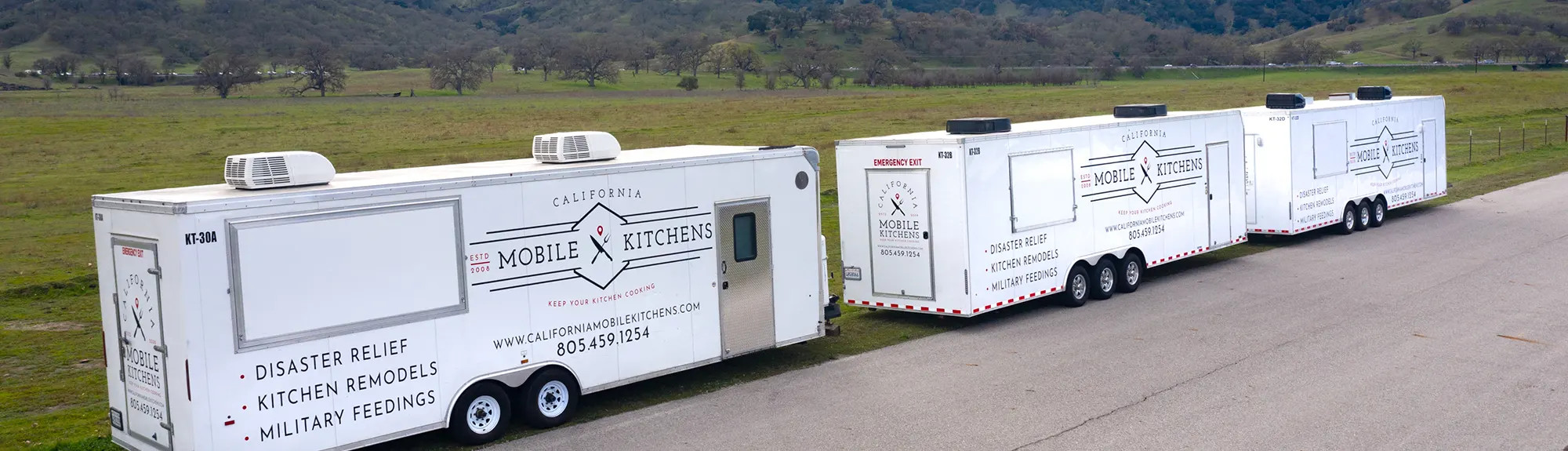
How California Mobile Kitchens Supports Cold Storage Needs
California Mobile Kitchens works with food businesses that need more than just equipment. They need timing, coordination, and reliability.
With decades of experience supporting food service operations across California and beyond, CMK helps align freezer trailer rental solutions with real-world constraints. Delivery, setup, and integration with broader mobile kitchen deployments are handled with the same attention as primary cooking units.
If cold storage is the missing piece in your operation, it is worth discussing options before pressure forces a decision.
FAQs
How long can I rent a freezer trailer?
Rental durations range from a few days to several months, depending on operational needs.
Is a freezer trailer rental inspected like permanent equipment?
Yes. Health departments treat them as commercial cold storage and expect proper logs and temperature control.
What power requirements should I plan for?
Most units require standard commercial electrical hookups. Generator support may be needed in remote locations.
Can freezer trailers be used during renovations?
They are commonly used to maintain operations when permanent cold storage is offline.
Is advance booking necessary in California?
During peak seasons and emergencies, availability tightens quickly. Planning ahead is strongly advised.
Conclusion
Cold storage failures rarely stay isolated. They ripple through operations, compliance, and reputation.
Knowing when a freezer trailer rental makes sense allows food businesses to respond deliberately rather than reactively. In California’s environment, that difference often determines whether a disruption becomes a crisis.
If you anticipate seasonal demand, planned downtime, or simply want a contingency plan, now is the time to evaluate your options. Secure capacity before it becomes urgent.